On this page
On this page
Categories
Social Media
Selling a car in Perth?
We handle all of it.
Yes, you can sell a car with the airbag light on in Australia, as long as you tell the buyer about it. Hiding a known safety fault is where sellers get into trouble, not the fault itself. Whether you should fix it first, and whether an inspection is required before the sale, depends on which state you are in and who you are selling to.
I have spent more than 25 years in vehicle service, including a long stretch at Mercedes-Benz, and I now run the workshop behind Sell My Car Pro in Malaga. Cars with an airbag light on come through our doors most weeks. This guide covers what the light actually means, what the law says in each state, what the fix usually costs, and the honest options you have as a seller.
Key takeaways
- Selling a car with the airbag light on is legal in every Australian state and territory if the fault is disclosed to the buyer.
- A steady airbag light usually means the Supplemental Restraint System (SRS) has logged a fault and may not deploy the airbags in a crash.
- Victoria, Queensland, the ACT (cars over 6 years) and the NT (cars 7 years and older) require an inspection certificate for a private sale of a registered car, and an illuminated SRS light is grounds for rejection.
- Western Australia, NSW, South Australia and Tasmania do not require a roadworthy certificate for a private sale, but WA Consumer Protection warns you may be held liable if you know about a serious defect and do not disclose it.
- Do not clear the code to hide the light. It comes back, and a scan tool shows recently cleared codes.
- A licensed dealer with its own workshop, such as Sell My Car Pro, can buy the car as is, price the repair accurately, and fix the fault before the vehicle goes back on the road.
What does the airbag light actually mean?
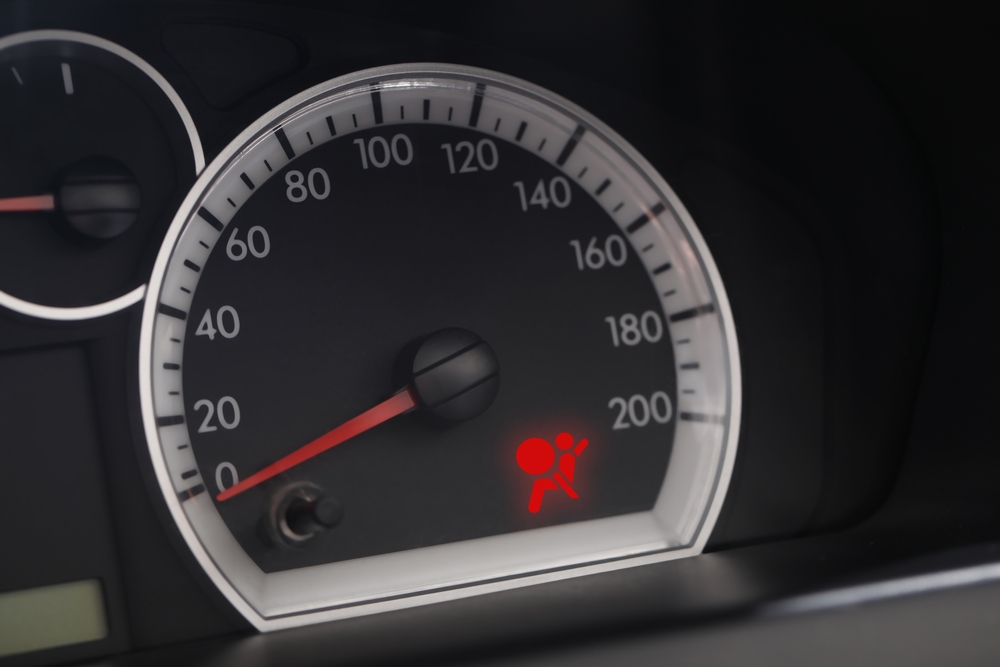
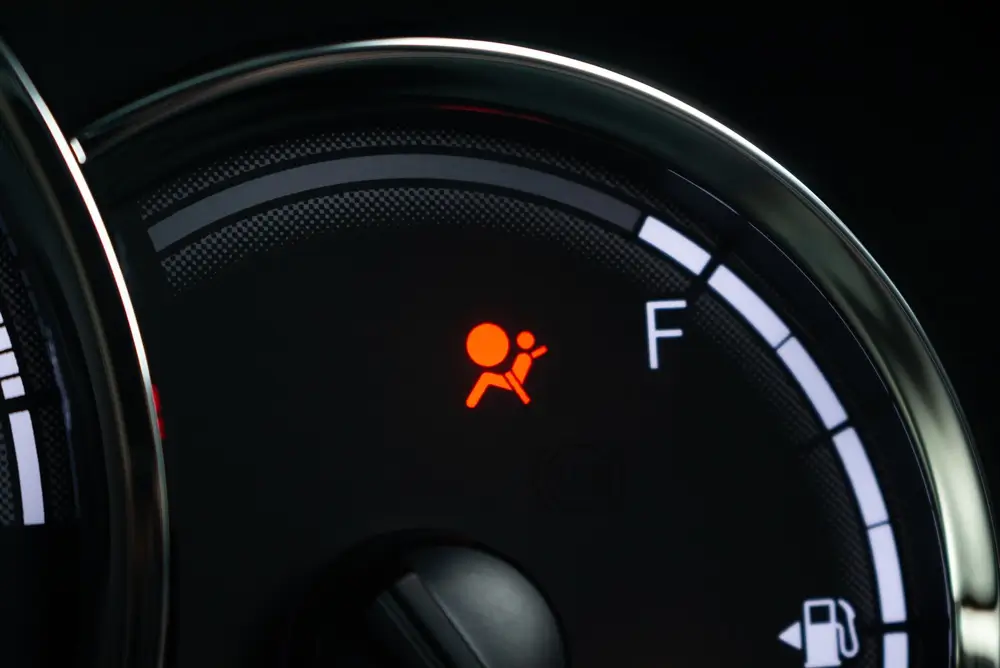
A steady airbag warning light means the car’s Supplemental Restraint System (SRS) has detected a fault and has stored a diagnostic code. On most vehicles, the SRS control module responds to a fault by disabling part or all of the airbag system, which is why the light stays on. The airbags may not deploy in a crash until the fault is repaired.
Every car runs a self-test when you turn the key. The airbag light should come on for a few seconds and then go out. If it stays on, flashes, or never lights up at all, the system is telling you something is wrong. A light that never comes on at all can be just as serious as one that stays on, because it can mean the bulb has been removed or the module has no power.
In the workshop, the common causes we find are:
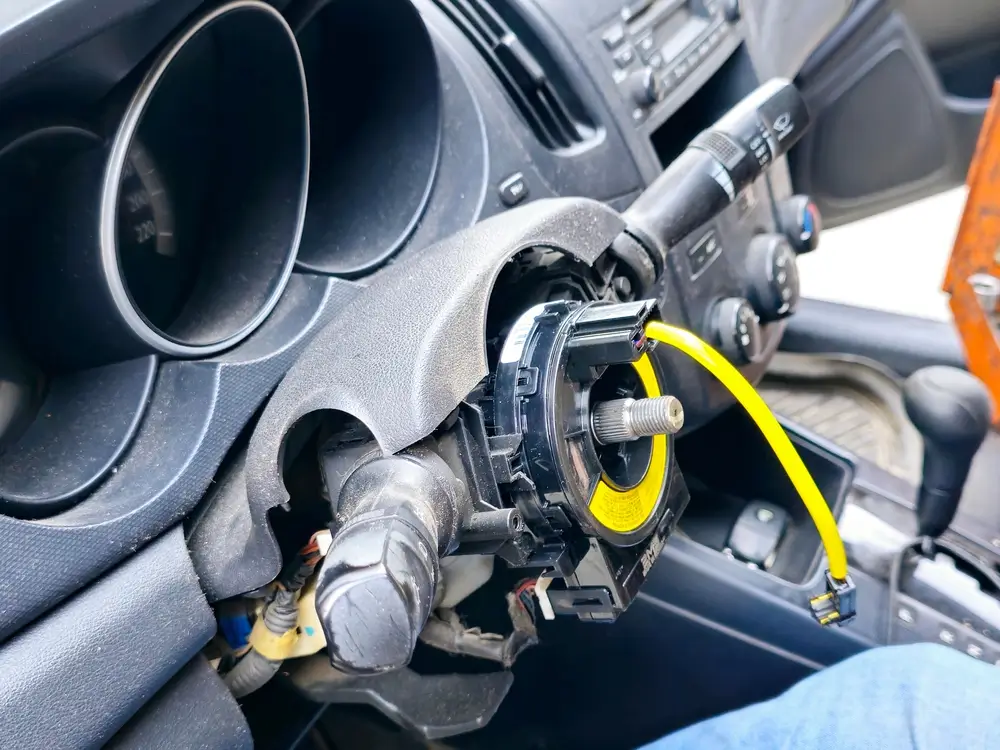
- A worn clock spring behind the steering wheel (very common on higher-kilometre cars, often with a horn or steering wheel button fault at the same time)
- A seat belt pretensioner or buckle sensor fault
- An occupant weight sensor fault in the passenger seat
- A loose or corroded connector under a seat, often after the seat has been removed or the interior has been wet
- A low or failing battery that has caused a low-voltage code
- An SRS control module fault, or a module that has recorded a previous deployment
Some of these are a one-hour job. Some are not. You cannot tell which one you have from the light alone, which is why the next step matters.
Is it illegal to drive with the airbag light on in Australia?
Driving with the airbag light on is not a specific offence in Australia, but a vehicle with a faulty airbag system can be defected by police or transport inspectors because it no longer meets the roadworthiness standard. In Western Australia, a defect notice (the “yellow sticker”) can be issued by WA Police, Department of Transport officers or Main Roads officers, and the vehicle cannot be driven on WA roads after the expiry date on the notice until it has been repaired and inspected.
Practically, the risk of being pulled over for an airbag light is low. The risk that matters is the crash where the airbag does not go off. That is the part I ask every seller to take seriously, whether they keep the car or sell it.
Can you legally sell a car with the airbag light on?
Yes. In every Australian state and territory, a private seller can sell a car with the airbag light on, provided the fault is disclosed to the buyer. The seller’s legal exposure comes from concealing a known defect, not from the defect existing. WA Consumer Protection puts it plainly for private sales: “You may be held liable if you are aware of a serious defect and don’t make it known to the buyer.”
There are two things that change the answer:
- Whether your state requires an inspection certificate for a private sale. Victoria, Queensland, the ACT and the NT do, in some or all cases. A car with an illuminated SRS light will not pass that inspection, so in practice you either repair it or sell it in a way that does not require the certificate (unregistered, or to a licensed dealer).
- Whether the car is under an active safety recall. The Australian Consumer Law prohibits supplying goods that are subject to an active compulsory recall. The ACCC has issued infringement notices to businesses that sold or advertised cars with recalled Takata airbags. More on that below.

Do you need a roadworthy to sell a car with the airbag light on? State by state
Four jurisdictions require some form of inspection certificate for a private sale of a registered car (VIC, QLD, ACT for cars over 6 years, NT for cars 7 years and older), and four do not (WA, NSW, SA, TAS). Where a certificate is required, an illuminated airbag or SRS warning light is a reason for rejection, so the fault has to be repaired before the car can be transferred privately.
| State or territory | Inspection certificate required for a private sale of a registered car? | What that means with an airbag light on |
|---|---|---|
| Western Australia | No. Private sellers are not required to do a roadworthiness check. | You can sell it, but you must disclose the fault. WA Consumer Protection says you may be held liable if you know of a serious defect and do not disclose it. Selling to a licensed WA dealer is the simplest route. |
| New South Wales | No roadworthy certificate is needed to sell privately. Most cars over 5 years old need an annual safety inspection (pink slip) to renew registration. | The car can be sold with the light on if disclosed. The NSW Government’s buyer checklist tells buyers to confirm the airbag and ABS lights come on briefly at ignition and then go out, so expect buyers to check. |
| Victoria | Yes. A Roadworthy Certificate (RWC) is required to transfer a registered vehicle, and the seller usually organises it. | VicRoads VSI 26 requires all mandatory warning lamps, including the airbag check lamp, to function correctly, and treats an SRS warning light as an unacceptable indicator of a faulty pretensioner. The light has to be fixed before an RWC will be issued. |
| Queensland | Yes. The seller must give the buyer a safety certificate before the sale is completed. | Any OEM-fitted safety system warning light that stays on during normal operation, including SRS, is a reason for rejection under the Queensland Light Vehicle Inspection Manual. Repair first, or sell to a licensed dealer. |
| South Australia | No roadworthy inspection is generally required for a private sale. | Can be sold with the light on if disclosed. A vehicle that does not conform to the Road Traffic Act and Australian Design Rules can still be defected on the road. |
| Tasmania | No. Private sellers are generally not required to provide a roadworthy certificate. | Can be sold with the light on if disclosed. |
| ACT | Yes, for cars more than 6 years old. A Certificate of Inspection is required before transfer. | A car over 6 years old with an SRS light on will need the fault repaired before transfer. |
| Northern Territory | Yes, for cars 7 years and older. A roadworthy inspection is required when transferring ownership. | A car 7 years or older with an SRS light on will need the fault repaired before transfer. |
Sources: WA Consumer Protection (Privately selling a vehicle), carsales help centre (state roadworthy requirements), VicRoads Vehicle Standards Information 26 (October 2021), Queensland Light Vehicle Inspection Manual. Rules change, so check your state transport authority before you sell.
Should you fix the airbag light before selling, or sell it as is?
Fix the airbag light before selling if the repair is cheap, covered by warranty or recall, or your state requires an inspection certificate. Sell it as is, with written disclosure, if the repair cost is a large share of the car’s value or you need the car gone quickly. A diagnosed fault with a quote attached is easy for a buyer to price. An unexplained light is not, and buyers will assume the worst.
The decision usually comes down to three numbers: what the car is worth fixed, what the repair costs, and how fast you need to sell. Here is how we approach it in the workshop.
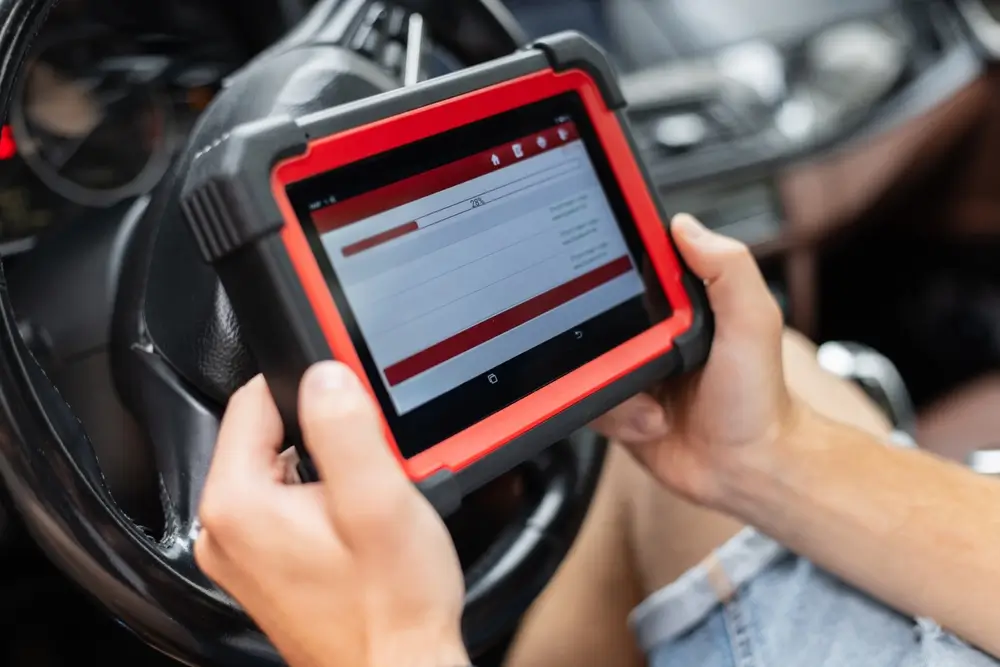
Step 1: Get the code read, not just the light. A basic engine code reader often cannot read airbag codes. You need a scan tool that talks to the SRS module. A diagnostic scan at a workshop is a modest cost and tells you which circuit faulted, which decides everything that follows.
Step 2: Check for a recall. Some airbag faults, and some instrument cluster faults that affect warning lights, are covered by manufacturer recalls, which means the repair is free. Check your VIN at productsafety.gov.au or with the manufacturer.
Step 3: Price the repair against the car. As a rough guide from what we see in the workshop:
- Clock spring replacement: typically a few hundred dollars, parts and labour, on common Japanese and Korean models
- Seat belt buckle or pretensioner sensor: a few hundred dollars
- Occupant sensor or under-seat wiring repair: a few hundred dollars, sometimes less if it is a connector
- SRS module replacement or reset, or an airbag unit that has deployed: often well over a thousand dollars, and higher on European vehicles
On a $25,000 car, a $400 clock spring is an easy decision: fix it. On a $6,000 car that needs a $2,000 module and airbag, the maths changes, and selling as is to a buyer who can do the repair at trade cost is usually the better outcome for the seller.
Why clearing the airbag code before a sale backfires
Clearing an airbag fault code to turn the light off before a sale does not fix the fault, and the light will usually return within a few ignition cycles. Pre-purchase inspectors and dealer workshops routinely check for recently cleared codes, and a cleared SRS code with the light off reads as an attempt to hide a safety fault, which costs more in trust and price than the fault itself.
Some codes are “hard” codes that cannot be cleared at all until the fault is repaired, including most crash-event codes. Others will clear and then come straight back. Either way, the buyer, or their mechanic, will find it. If you want the light off, repair the fault.
What about Takata airbag recalls?
It is a breach of the Australian Consumer Law to sell or advertise for sale a vehicle that is subject to an active compulsory recall, including the Takata airbag recall. In January 2020 the ACCC announced penalties totalling $63,000 against three businesses for allegedly selling or advertising recalled vehicles, including a 2003 Nissan Pulsar fitted with a high-risk “Alpha” Takata inflator. By March 2021 the ACCC reported that 4.1 million airbags (99.9 per cent) in 3.06 million vehicles had been rectified or deemed complete, but about 312,000 vehicles were deemed compliant without a replacement, many because they were unregistered, uncontactable or written off, and the ACCC has said some of those may still have dangerous airbags on the road.
A Takata-affected car will not necessarily show an airbag light. The light tells you the system has a fault; it does not tell you whether the inflator has been replaced. Check the VIN or registration at ismyairbagsafe.com.au or productsafety.gov.au before you sell, and if the vehicle is affected, book the free replacement with the manufacturer first. Dealers are required to check every second-hand vehicle they hold against the recall list, which is one reason a licensed dealer will always ask.
What should you tell the buyer, and when?
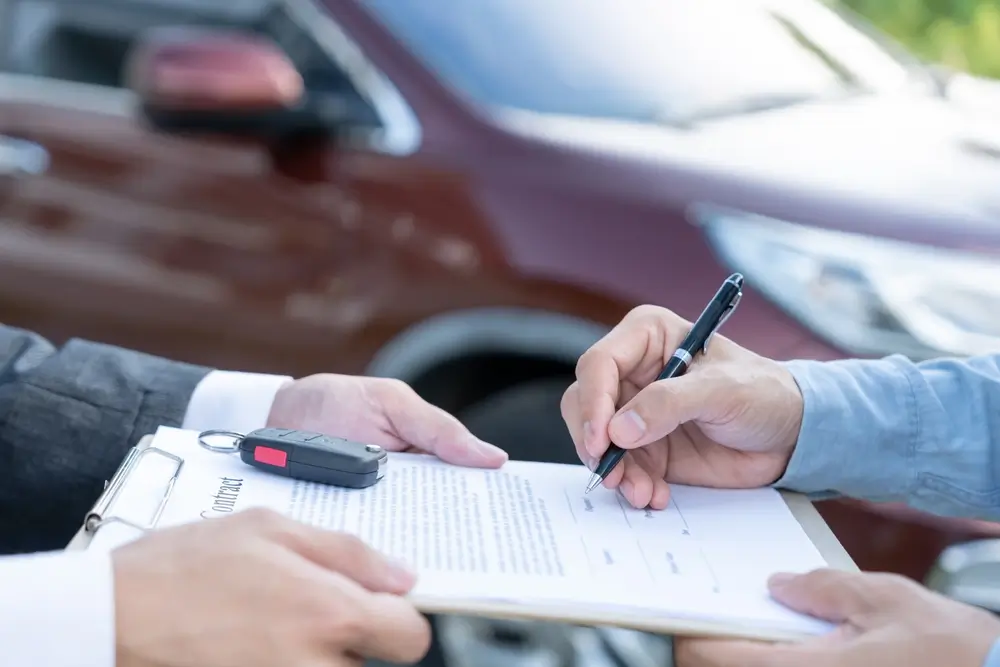
Tell the buyer about the airbag light in writing before they make an offer, and record it on the sale paperwork. Include the colour and behaviour of the light, the fault code if you have had it read, any mechanic’s report or quote, and whether the car is under recall.
Written disclosure protects you as the seller. In WA, the Australian Consumer Law does not apply to private sales, so a buyer’s main avenue is to argue they were misled. A dated message or a line on the receipt that says “airbag warning light on, SRS fault code B0012, quote attached, sold with fault disclosed” closes that door.
If you are selling to a licensed dealer, disclose it the same way. We will find it on the scan anyway, and a seller who tells us upfront gets a faster, cleaner offer.
How a warning light affects your sale price
Buyers price risk, so an unexplained airbag light will reduce offers by more than the likely repair cost. A private buyer typically has no way to diagnose the fault, so they discount for the worst case. A licensed dealer with a workshop can diagnose it on the spot and deduct the actual repair cost at trade rates, which is usually a smaller number.
That is the honest trade-off. Selling privately with the light on can work, but you are selling to a smaller pool of buyers who are comfortable with a known fault, and each of them will negotiate hard. Selling to a dealer that can fix the car is faster and the deduction is tied to a real repair quote, not a guess.
How Sell My Car Pro handles a car with the airbag light on
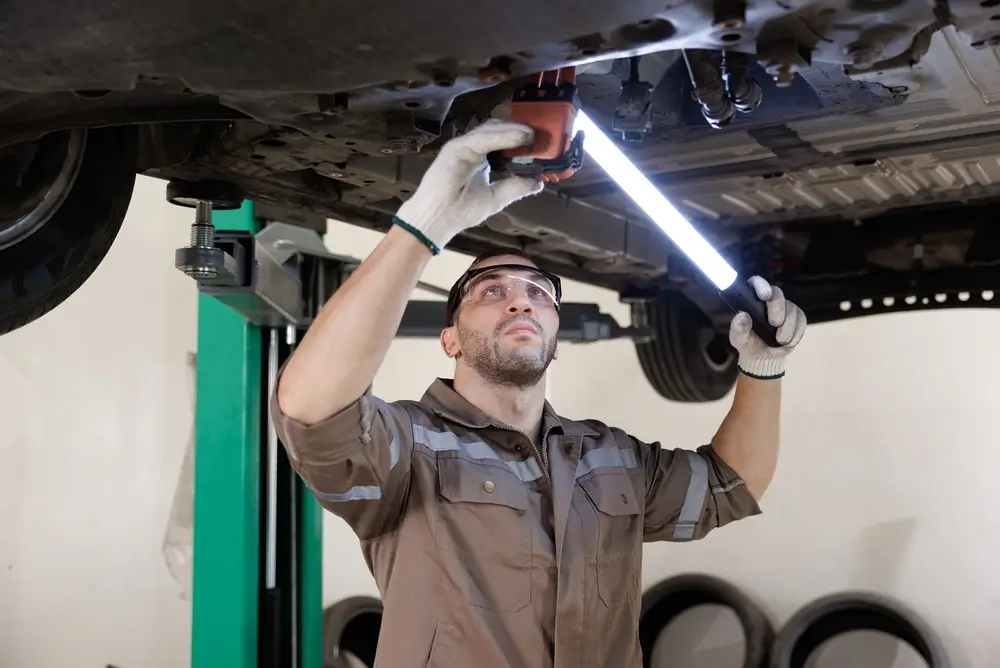
Sell My Car Pro is a licensed WA motor vehicle dealer (MD31434) that shares a workshop with All Aspects Motors (MRB8151) in Malaga, so we buy cars with airbag faults, diagnose them in-house, and repair the fault before the car is resold. No car leaves us with a safety system warning light on.
Here is what that looks like for a seller:
- You complete the online valuation form and get an instant market-based valuation.
- We inspect the car, which includes an SRS scan. If the light is on, we read the code and price the repair at our workshop cost, not retail.
- You get a written offer that shows the deduction for the repair, so you can see exactly how the fault was priced.
- We pay by bank transfer the same day, handle the paperwork and any finance payout, and get you home.
- The car goes into the workshop and the airbag system is repaired and verified before it is sold on.
The reason we do it this way is simple. Abdul, our Dealer Principal, is a qualified mechanic, and the workshop is his. We would rather buy a car with a known fault, fix it properly, and put a safe car back on the road than let a seller push the problem onto the next private buyer. That is better for the seller, who gets a fair deduction rather than a worst-case haggle, and it is better for whoever ends up driving the car.
If your airbag light is on and you are in Perth or anywhere in WA, get a valuation and tell us about the light. It will not stop the sale.
Airbag light on? Tell us in the form.
We price the real repair, not the worst case. Same-day payment, Perth-wide.
Frequently asked questions
Can I sell a car with the airbag light on in WA?
Yes. Western Australia does not require a roadworthy certificate for a private sale, and a licensed dealer can buy the car as is. WA Consumer Protection says you may be held liable if you know of a serious defect and do not tell the buyer, so disclose the light in writing.
Will the airbag light fail a roadworthy or safety certificate?
Yes, in the states that require one. Victoria’s roadworthiness requirements (VSI 26) say all mandatory warning lamps including the airbag check lamp must function correctly, and Queensland’s inspection manual treats any OEM safety system warning light that stays on as a reason for rejection.
How much does it cost to fix an airbag light?
It depends entirely on the fault code. A clock spring or seat sensor is typically a few hundred dollars. A control module or a deployed airbag can run well over a thousand dollars, more on European cars. A diagnostic scan is the cheap first step that tells you which one you have.
Is it safe to drive with the airbag light on?
The car will drive normally, but the airbags may not deploy in a crash. Treat it as a safety fault, not a cosmetic one, and get the code read as soon as you can.
Will the airbag light clear itself?
Occasionally, if the cause was a temporary low-voltage event from a flat battery. Most of the time it stays on until the fault is repaired and the code is cleared with a scan tool.
Does the airbag light mean my car is part of the Takata recall?
No. The light indicates an SRS fault; it does not indicate recall status. Check your VIN at productsafety.gov.au or your rego at ismyairbagsafe.com.au.
Can a dealer sell me a car with the airbag light on?
In WA, consumer guarantees require a dealer-sold vehicle to be at least roadworthy, and the WA dealer statutory warranty list covers airbag management systems. A dealer can only exclude a defect from warranty by properly describing it on a Form 5 before the sale.
This article is general information, not legal advice. Check your state or territory transport authority and consumer protection agency for current requirements.














Sell your car today.
Paid today.
Tell us about your car, get a real offer, and have the money in your account the same day. No haggling, no waiting, no fees.
Send us a message
Leave your details and a Perth buyer will get back to you.