On this page
On this page
Categories
Social Media
Selling a car in Perth?
We handle all of it.
If you are wondering do I pay tax if i sell my personal car for profit, the answer is usually a relief. In Australia, most private car sales are tax-free, even when you sell for more than you paid. The Australian Taxation Office generally treats a personal car as a private-use asset, and the proceeds are not classed as assessable income for most everyday sellers.
Where the picture changes is when the vehicle starts looking less like the family runabout and more like an investment, a work tool, or part of a repeat trading pattern. In those scenarios, there can be real tax implications, including income tax, GST, or balancing adjustments tied to depreciation and the written down value of the car.
At Sell My Car Pro, we help Perth car owners across WA line up the paperwork for a clean sale, and we field this question constantly, especially since the 2022 to 2024 used-car price surge that left plenty of sellers staring at unexpected profits. This guide breaks down the practical rules, the scenarios that trip people up, and the records to keep so you stay on top of your obligations without overthinking it.
Why Most Private Car Sales Are Not Taxed
For tax purposes, a standard passenger car used personally is excluded from capital gains tax under the personal-use asset rules. A one-off private sale of your daily driver, even at a profit, is usually not something you need to flag on your tax return.
The flip side is that if you sell the car for less than you paid, the capital loss is also disregarded for personal-use vehicles. You do not pay tax on gains, and you cannot claim a deduction for losses, in the standard personal-use scenario. The same coin, both sides.
If you want to confirm the original purchase value before pricing your sale, our guide on how to find your car’s market value walks through the data sources we use to benchmark.
When A Sale Can Become Taxable
The ATO focuses on why you owned the vehicle and how you used it. The same motor vehicles can be tax-free in one driveway and taxable in another. These are the three big triggers that flip the answer.
When You Bought The Car To Make Money
If you purchased the vehicle with a profit-making intention, such as buying a 1970s HJ Holden Monaro to restore and flip, the ATO treats that transaction differently. This is where people land in the “investment” bucket, particularly with classic Australian muscle cars, JDM imports, or any repeated buy-fix-sell activity.
In those cases, the profit can be treated as assessable income rather than a private windfall. Suddenly “pay tax” becomes a real possibility, and that is the moment to call a registered tax agent rather than hope.
When The Car Was Used For Business Purposes
If the car was used for business purposes, the tax treatment changes, especially if you claimed running costs, interest, or claim depreciation. Selling a business car or company vehicle can trigger a balancing adjustment that needs to be reported on the business side of your return.
The plain-English version: if you claimed deductions, including depreciation, the ATO expects the sale to be handled through your business reporting rather than treated like a pure personal sale. Plenty of Perth FIFO workers and tradies discover this only after a strong sale on the Ranger or Hilux they had been depreciating for years.
For a finance-attached business car, our breakdown on selling a car with finance owing in Perth covers the payout side cleanly.
When You Sold Cars Often Enough To Look Like A Business
Frequent buying and selling makes the ATO ask whether you are effectively running a car dealing operation. There is no single threshold number of cars per year that automatically flips the switch, though the ATO’s own guidance (notably the principles in Taxation Ruling TR 92/3) considers repetition, intention, and the scale of activity.
If you are doing this under an ABN, as a sole trader, or through a company, the default assumption leans firmly toward business treatment. That changes everything about how the sale reports.
Personal Car Versus Business Vehicle
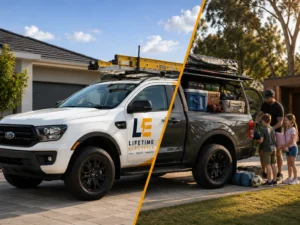
A useful way to split them: was it mainly for private purposes, or did it earn income?
Personal Use
If it was your personal vehicle for commuting, school drop-off, weekend trips down to Margaret River, and the supermarket run, and you did not buy it to profit, the proceeds are typically not taxable income, and you usually do not need to include the sale on your tax return.
Business Use
If it was used for income-generating work, such as visiting clients across the Perth metro, deliveries, mine-site travel, or it was registered in a business name, the sale forms part of business reporting. If you claimed depreciation, the sale price gets compared to the written down value (the cost after depreciation claimed). Anything above that figure can be taxable profit.
Mixed-use cars get apportioned by business-use percentage, and this is exactly where logbooks earn their keep.
How “Written Down Value” Works In Plain English
For a business vehicle, the original cost is reduced over time by depreciation deductions. What is left on paper is the written down value. When you sell:
- If the vehicle sells for more than the written down value, the difference is typically treated as taxable income (often described as recaptured depreciation or a balancing adjustment).
- If it sells for less, the business may be able to claim a deduction for the loss on disposal, depending on structure and how the asset was held.
This is not a trap. It is the ATO balancing out the deductions you have already taken. Think of it as the bill arriving for the tax breaks you enjoyed along the way.
Is GST Payable When Selling A Car?
For a normal personal sale, GST is not part of the deal. Private sellers do not charge GST and buyers do not expect a tax invoice.
GST becomes relevant when the vehicle is sold by a business that is registered for GST, or when the car was part of business activity where GST credits were claimed at purchase. In those cases, GST can be payable on sale, and the business reports the transaction on its activity statement. Mixed-use vehicles often need apportionment between the personal and business components.
If you are sitting on a vehicle with any business history, even a small percentage, check with your accountant before listing. The right answer depends on the exact facts of how the car was treated in your books.
What If I Sold A Car I Inherited Or Was Gifted?
Selling a car you inherited or received as a gift can feel like a grey area. The key concept is the cost base, which in some CGT calculations uses the market value at the time of acquisition rather than what you paid (because you paid nothing).
For an everyday passenger car used personally, CGT is rarely the headache people fear. Inherited or gifted vehicles can still intersect with business use, collectible value, or other factors that make a quick chat with a tax professional worthwhile when the numbers get large. A 1973 XB Falcon GT inherited from grandad sits in a very different tax conversation to a 2018 Camry.

Does Luxury Car Tax Come Into This?
For most private sellers, no. Luxury car tax usually attaches to the original purchase of new or near-new luxury vehicles bought through a dealer. If you bought a Range Rover Sport or Porsche Cayenne new, LCT was already paid back then. Reselling it privately later does not trigger another LCT charge.
If you want the full picture, our explainer on the luxury car tax in Australia walks through who actually pays it and when.
Practical Records To Keep
Even if you expect a tax-free sale, good records protect you and make life easier if questions ever surface. We recommend:
- Purchase paperwork showing what you paid and the date
- Sale receipt with buyer details, sale date, and sale amount
- Major repair or improvement invoices, if they materially changed the vehicle’s value
- For a business vehicle, the depreciation schedule and logbook
At Sell My Car Pro, we have seen more disputes caused by missing paperwork than by genuine tax problems. Documentation puts you in control of the conversation rather than scrambling. If you want our full process for handling the WA paperwork side cleanly, our step-by-step guide on how to sell a car in Western Australia covers the MR9 transfer form and the Notice of Disposal you lodge with the Department of Transport within seven days.
Quick Case Studies From Sell My Car Pro
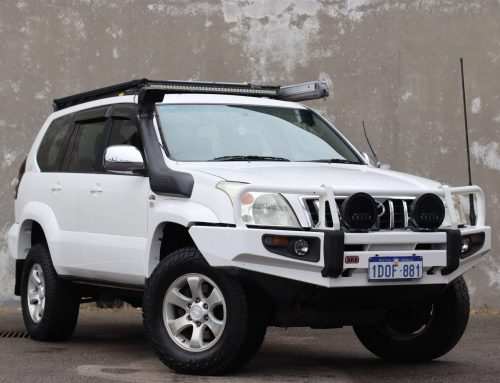
A seller in Joondalup came to us after offloading a well-kept Toyota LandCruiser 200 Series during peak demand. They cleared a healthy profit and assumed the ATO would treat it like a share sale, with capital gains tax attached. In their case, it was a personal vehicle, used privately, with no business deductions ever claimed. They walked away with the cash and zero reporting obligation. The relief on their face when we explained that was something else.
A different customer, a sole trader plumber out of Canning Vale, used his HiLux for work and had been claiming expenses and depreciation through his business for four years. He sold the ute for noticeably more than the written down value when used-car prices spiked in late 2022. That sale needed to flow through his business records, and the gap between sale price and written down value was taxable under the standard rules. Manageable outcome, only because his bookkeeper had stayed on top of the logbook all along.
For more on choosing the right sale method when business or finance is involved, see our piece on the most profitable way to sell your car.
What To Do Next If You Are Unsure
If you are sitting on a chunky profit, or the car has any business-use history, do not guess. The practical steps:
- Clarify whether the vehicle was mainly personal or business.
- Check whether you ever claimed depreciation, GST credits, or running-cost deductions.
- Gather your purchase and sale documents in one folder.
- Speak with a registered tax agent if any of the taxable triggers apply, or if the dollar value is large.
This approach keeps you compliant and stops avoidable surprises landing in next year’s return.
Frequently Asked Questions
Do I Have To Declare The Sale On My Tax Return?
If it was a personal-use car, generally no, you do not need to declare it. If it was a business vehicle, or part of a profit-making activity, the sale needs to flow into your assessable income reporting.
Do I Pay Capital Gains Tax If I Sell My Car For More Than I Paid?
For most standard passenger cars used personally, capital gains tax does not apply because the personal-use asset rules sit on top of the CGT framework. The exceptions are business use and profit-making intention.
What If I Sold The Car Quickly After Buying It?
A fast sale is not automatically taxable, but it can start to look like trading if it happens repeatedly or you bought the car mainly to profit. The ATO weighs your intention and the pattern of activity.
Is A Profit On A Personal Car Considered Taxable Income?
Usually no. Most personal car profits are not treated as taxable income under standard ATO treatment for private-use cars. Want to maximise the profit on a future sale? Our guide on how to maximise your car’s resale value lays out the small moves that lift offers.
What If The Car Was Used For Both Business And Personal Use?
Then the sale can be partly taxable based on the business-use percentage, especially if you claimed deductions and depreciation. Your logbook and records do the heavy lifting in that calculation.
Do I Need To Charge GST When I Sell My Car Privately?
A typical private sale does not include GST. GST applies when you are selling as a GST-registered business, or when the vehicle was treated as a business asset and GST credits were claimed at acquisition.
Does Luxury Car Tax Apply When I Sell My Car?
Luxury car tax usually attaches to the original purchase of certain new luxury vehicles from a dealer, not to ordinary private resales. If you are unsure, check the full breakdown in our luxury car tax in Australia guide.
Conclusion And Next Step
So, do i pay tax if i sell my personal car for profit? In most everyday situations, no. A private sale of a personal vehicle is usually tax-free, and you typically do not need to report it on your return. The answer shifts when the car was used for business purposes, when you claimed depreciation, when GST registration is involved, or when the pattern of activity looks like profit-driven trading.
If you want a clean, smooth sale with the right paperwork and a Perth team that has seen these scenarios play out in real driveways, talk to Sell My Car Pro today. We will guide you through the process, help you keep the records you need, and connect the dots so you can sell my car Perth wide with confidence and move on to whatever is next.




















Sell your car today.
Paid today.
Tell us about your car, get a real offer, and have the money in your account the same day. No haggling, no waiting, no fees.
Send us a message
Leave your details and a Perth buyer will get back to you.