Table of Contents
Social Media
Get a Custom Quote
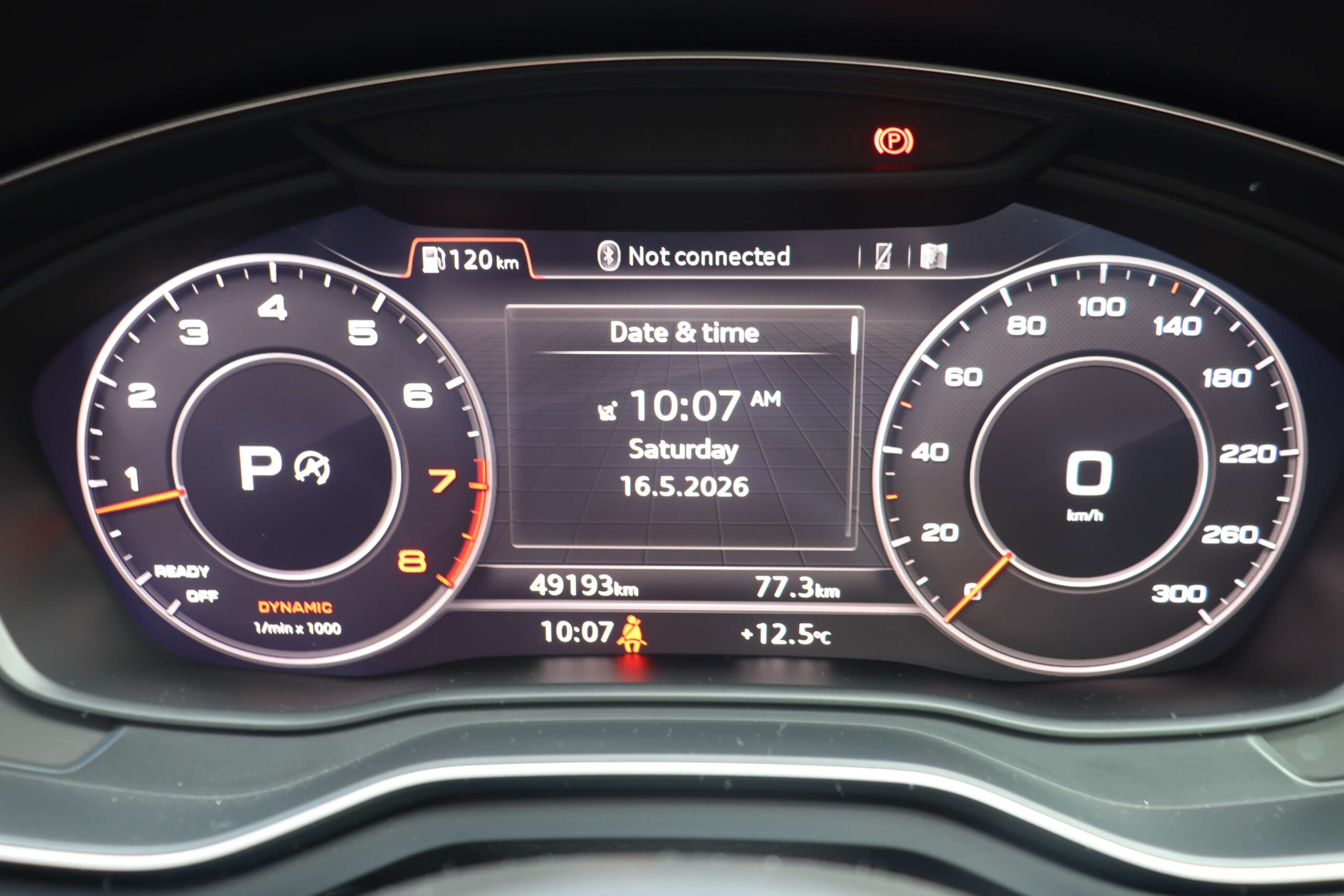
When you sell a car in Perth, the odometer is one of the first things a buyer looks at. So does mileage affect car value, and if so, how much value does each bracket really cost you? At Sell My Car Pro we value cars right across WA, so here is a clear, local answer on how car mileage shapes what your vehicle is worth.
How Mileage Affects Value: The Short Answer
Yes, mileage does affect car value, but the effect is meaningful rather than mechanical. Mileage plays a big part in what a used car sells for, and yet it never works alone, sitting alongside condition, service history and market demand. So does mileage matter? It does, but not in the simple way most people assume.
The important thing to understand is that mileage impact is non-linear. The first stretch of kilometres barely dents the price, certain thresholds trigger a sharper drop, and depreciation then slows again once a car is genuinely high kilometres. In other words, the way mileage affects car value changes depending on where your odometer sits.
That is why two cars of the same model and year can be worth very different amounts. As mileage increases there is usually more wear, but a well cared for car with proof of proper maintenance can beat a lower kilometre example that has been neglected.
What Counts As Average Annual Kilometres In Australia
Buyers judge your odometer against a rough benchmark, so it helps to know the average. In Australia, passenger vehicles cover roughly 10,000 to 15,000 km per year, with common standards pegging average use at around 13,000 to 15,000 km annually.
Multiply that out and you get a useful yardstick for average annual mileage. A five year old car sitting near 65,000 to 75,000 km reads as good mileage for its age, while the same car on 40,000 km looks like a genuine low mileage find.
Perth changes the picture, though. Plenty of commuters from outer-ring suburbs regularly log 25,000+ km a year, so higher yearly mileage here is common and not a red flag on its own. How those kilometres were driven matters too: city, stop-start running causes more wear than steady freeway driving, and buyers tend to view high kilometres tied to a freeway commute more kindly.
A Walk Through The Key Km Brackets
Because mileage affects car value in steps rather than a smooth slope, it helps to look at the main brackets. Here is how buyers and our team read each one, and roughly what it means for your vehicle value.
Under 50,000 Km
Cars under about 50,000 km sit in the strongest position. Low mileage cars in this range retain high value, often still carry factory warranty coverage, and attract strong buyer interest because there is minimal parts wear ahead.
In Perth this bracket is especially competitive. The state’s isolation creates tight competition for low-kilometre local cars, so lower mileage vehicles that are already here can command a fair price and sell quickly.
50,000 To 100,000 Km
This is the busiest part of the used car market, where most sales happen. Depreciation from mileage is steady but gentle through here, so an average car with tidy history holds its ground well.
Service history starts to carry more weight in this bracket. Buyers want to see that service intervals were met, because a full service history reassures them that the wear so far has been managed properly.
Crossing 100,000 Km
Crossing 100,000 km is where the numbers get sharper. As cars move past this point, they typically see about a 5 to 10% value drop for every extra 10,000 km above the average, so the mileage impact accelerates and significant value loss can appear quickly.
Part of that is real risk and part is perception. This is the threshold where buyers start anticipating bigger spending on items like brake pads, tyres and timing components, so they price that in.
150,000 Km Plus
At 150,000 km you hit another threshold where resale value dips, because it is a second point where buyers expect major maintenance to be due. High mileage cars here need evidence to sell well.
This is where maintenance history carries the sale. A high-kilometre car with a complete record and recent big-ticket jobs already done can be worth noticeably more than the same model with gaps in its paperwork.
200,000 Km Plus
Once a car pushes past 200,000 km, the good news is that depreciation tends to slow. The steepest percentage falls are already behind it, so each additional 10,000 km costs less in dollar terms than it did around the 100,000 km mark.
High mileage vehicles at this stage sell on condition and honesty. Buyers accept the total mileage as long as the car drives well, presents tidily and comes with a believable maintenance story.

Why The 100,000 Km Psychological Barrier Matters
The 100,000 km mark is more than a number on the dash, it is a major psychological barrier for buyers. Many private buyers filter their searches to under 100,000 km, so ticking over that figure can shrink your pool of interested people overnight.
That is why the same car can feel like it loses a chunk of value the week it crosses over. It is not that the engine changed at 99,999 km, it is that market demand shifts at round-number thresholds where buyers brace for major spending. It can sting to see a dependable car marked down over a single kilometre, but that is how the market behaves.
The practical lesson: if your car is sitting in the high 90,000s and you are thinking of selling, doing it before the odometer rolls past 100,000 km can protect a slice of your resale value. Sell My Car Pro can give you an obligation-free number either way, so you can time it with real figures in hand.
How Service History Offsets High Kilometres
Mileage tells you one thing, and maintenance tells you the rest. High mileage cars are perceived as higher risk, but a full service history and evidence of good maintenance lift buyer confidence and can genuinely raise what a high-kilometre car is worth.
The reverse matters just as much: poor maintenance lowers value more than high kilometres ever could. A neglected car on average mileage often struggles more than a high mileage vehicle with a thick folder of receipts, because the receipts prove the wear has been managed.
So if you have kept up with service intervals, hold onto that paperwork. When we value your car, a documented maintenance history is one of the key factors that lets us offer a stronger, fairer price despite the numbers on the odometer.
How Mileage Interacts With Fuel Type And Vehicle Type
Mileage does not sit in isolation, it interacts with fuel type and car type. Diesels, for example, often carry higher kilometres because of their better fuel economy, and buyers of a HiLux, Ranger or D-Max expect that, so a big number worries them less than it would on a Corolla or i30.
Vehicle type shapes the picture too, and Perth is a strong example. There is heavy local demand for dual-cab utes and large 4WDs like the LandCruiser, and these hold value differently from standard cars, often shrugging off kilometres that would hurt a passenger sedan.
Electric vehicles read differently again. With an EV like a Tesla Model 3 or Nissan Leaf, buyers focus less on engine wear and more on battery health, so odometer readings are weighed alongside battery condition rather than treated as the whole story.
Other Factors Beyond Mileage
For all the focus on the odometer, mileage is one of several key factors, not the only one. Overall vehicle condition, colour, accident history, number of owners and how well the car presents all feed into the final figure.
Paperwork sits alongside the physical car. A clear PPSR result showing no finance owing or write-off history protects your vehicle value, while service records and two sets of keys all nudge the price up.
Then there is the market itself. Local demand for your make and model, the time of year, and how many similar cars are for sale in WA all shape how much value your kilometres actually cost you on the day.
Case Study
| A seller in Ellenbrook contacted us about a 2017 Isuzu D-Max dual-cab showing 168,000 km. He was bracing for a gutting, certain the high kilometres would sink the price since it sat well above the average for its age. But the ute had a full service history, freeway commuting kilometres rather than hard stop-start city wear, and recent tyres and brake pads.
Because Perth has such strong demand for dual-cab utes, and because the maintenance history stripped out the usual risk, Sell My Car Pro made a competitive cash offer that beat what he expected from a private sale. We came to him in Ellenbrook and sorted the paperwork the same week. The lesson: on the right car type, a well cared for high mileage vehicle can still command a fair price. |
Frequently Asked Questions
Here are the questions we hear most often about how mileage affects what your car is worth.
Does Mileage Or Condition Matter More?
Both matter, but condition and maintenance history often tip the balance. A well cared for car with proof of proper maintenance can be worth more than a lower kilometre example that has been neglected, because buyers are really pricing risk.
What Is Considered High Mileage For A Used Car?
As a rough guide, anything well above the average of 13,000 to 15,000 km a year for its age reads as high. In practice, buyers treat 100,000 km and 150,000 km as the thresholds where high mileage cars need strong service history to sell well.
Should You Sell Before Your Car Hits 100,000 Km?
If you are close, it can help. Because 100,000 km is a psychological barrier, crossing it can shrink market demand and trim resale value. We are happy to value your car both ways, so you can decide with real numbers.
Do Electric Vehicles Lose Value With Mileage The Same Way?
Not quite. With electric vehicles, buyers weigh battery health heavily alongside the odometer, so mileage impact on EVs is judged differently from petrol or diesel cars. Condition and battery state carry a lot of the weight.
Will You Buy A Car With Very High Kilometres?
Yes. Whatever your total mileage, our service gives an obligation-free valuation. Depreciation slows on very high mileage cars, and a tidy, well maintained vehicle still has real value we are ready to pay for.
Conclusion
So, does mileage affect car value? Absolutely, but it works in brackets, not a straight line, and it never acts alone. Low mileage cars hold strong value, the 100,000 km and 150,000 km thresholds bring the sharpest drops, and depreciation eases once a car is genuinely high kilometres. Just as importantly, a full service history and proper maintenance can offset a big number and protect your fair price.
Whatever your odometer reads, Sell My Car Pro is ready to help. Get a free, no-obligation valuation and instant cash offer on any make, model or condition, we come to you anywhere across the Perth metro, handle the paperwork, and pay by same-day bank transfer. High kilometres or low, we will give you a fair price for your car.
About the Author

Table of Contents
Social Media
Get a Custom Quote

We Buy Cars Of All Makes And Models In Perth
Japanese, European, Korean, and American. Light commercials, SUVs, utes, weekend classics, and near new stock. Late model or twenty years on the clock, registered or not, a runner or a non-starter. If the car has a VIN, we can quote on it.