On this page
On this page
Categories
Social Media
Selling a car in Perth?
We handle all of it.
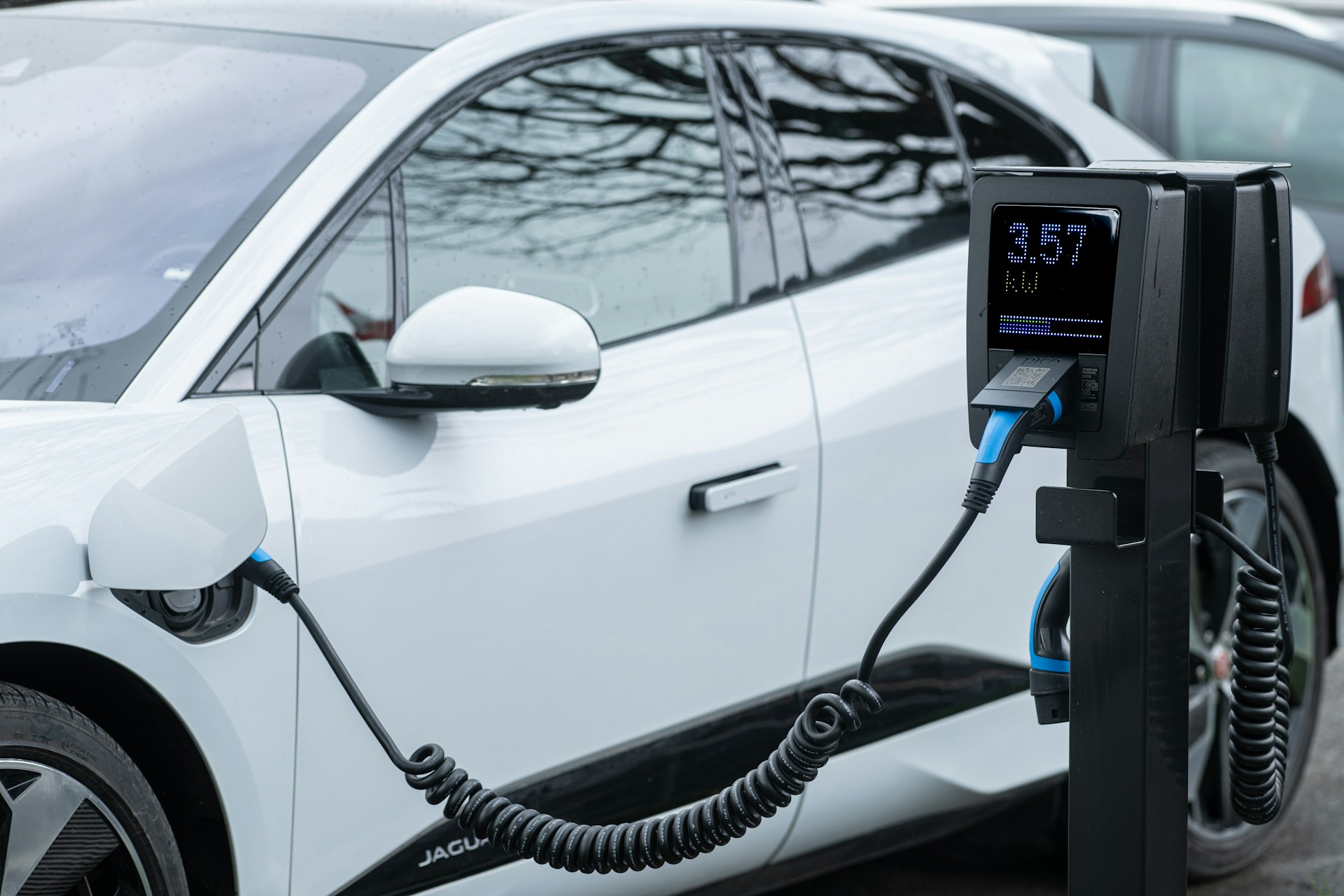
No, electric cars do not hold their value as well as hybrids or petrol cars in Australia, at least not yet. On the hybrid vs EV resale value question, hybrids are the clear winner today, holding most of their value after three years, while many electric vehicles lose a quarter of theirs in the first year alone.
We buy electric and hybrid cars alongside petrol vehicles every week across Perth, so we watch these values closely. The picture is changing fast as the used car market matures, so here is an honest look at how each drivetrain holds up, what is driving the numbers, and what it all means for you whether you are buying your next car or selling the one in your driveway.
Hybrid Vs EV Resale Value: What The Numbers Say
The gap between hybrid and electric resale value is real, but it is narrower than the headlines suggest, and it is shifting for newer models. Here is where each type of car sits right now, based on recent Australian depreciation data. Treat the figures as a guide, because condition, kilometres and demand always move the final number.
How Well Hybrid Cars Hold Their Value
Hybrid cars are the strongest performers of the moment. Recent figures suggest a typical hybrid retains around 98% of its value in the first year and still holds roughly 92% after three years. Even older examples, like a 2020 hybrid, have hung on to upwards of 81% of their original purchase price.
The reason is simple. A regular hybrid drives and refuels exactly like a petrol car, with no charging habits to learn and no range to worry about, so it appeals to the widest possible slice of the second-hand market. A Toyota RAV4 Hybrid is the poster child, with waiting lists that keep used prices firm. Their appeal is practical: a hybrid delivers better fuel economy than an equivalent petrol car without asking the owner to change a single habit, so buyers chasing fuel efficiency and low fuel costs keep demand high. For strong resale and an easy sale later, hybrids are hard to beat.
How Fast Electric Cars Depreciate
Fully electric cars tell a different story. Industry data points to the average EV shedding about 25% of its value in the first year and retaining closer to 60% after three years. Older cohorts have fared worse, with some 2020 models dropping to around 40% value retention over the same period. It does not help that electric cars usually carry a higher purchase price when new, so there is simply further to fall, and cautious car buyers price that risk in.
The bad news for early adopters is that fast-moving battery technology, frequent new-car price cuts from brands like Tesla, and lingering questions over battery health have all pushed EV depreciation harder than almost any other category. A used Nissan Leaf or an early Tesla Model shows just how steep that depreciation curve can be. The better news is that newer EV models, think 2024 builds onwards, are already showing slower depreciation trends as the market matures and buyer confidence grows.
Where Petrol And Diesel Cars Sit
Traditional petrol cars and diesel cars sit in the middle. A good petrol car with a proven petrol engine depreciates in a predictable way, holding more value than an EV but generally less than a sought-after hybrid. Diesel cars can hold up strongly in utes and 4WDs, where demand across WA stays high and buyers value the torque for towing, though higher fuel consumption and tightening emissions rules are slowly working against them elsewhere. If you want to see how this plays out by fuel type, our guide on how fuel type affects resale value breaks it down.
The headline shift is that hybrids have now overtaken many traditional petrol cars for resale, which was not the case a few years ago. Across the three drivetrains, the internal combustion engine remains the familiar baseline, hybrids are ahead, and fully electric cars still trail, though the gap is closing.
Why Electric Cars Lose Value Faster
Several other factors explain why EVs depreciate faster than the rest, and the biggest one is the battery. Buyers worry about battery degradation over time and the cost of a new battery out of warranty, which can run to several thousand dollars, so they discount a used EV to protect themselves. Battery replacement costs are the worst-case worry, and even though failures are genuinely rare, the fear alone shapes what people will pay. That single concern drags on nearly every electric car resale.
Battery technology is also improving so quickly that a three-year-old EV can feel a generation behind, with less electric range than the latest model for similar money. New-car price cuts make it worse, because when a brand slashes the price of a new car, every used one loses value overnight. Record car sales of new EVs then feed more used vehicles into the market, and that rising supply of new vehicles pushes second-hand prices down further. Then come the practical worries, from reliance on external charging for buyers without a driveway, to the extra weight a bigger battery adds and what it does to tyres and efficiency. Premium luxury cars, electric or not, depreciate hardest of all. None of this applies to a hybrid, which is exactly why hybrids hold on to more money, and why it pays to understand how depreciation works in the Perth market before you buy.
The Case For Buying An Electric Car Anyway
Resale value is only half the equation. Electric cars can still be the cost-effective option once you add up the running costs, because the day-to-day savings are real. Low running costs come from cheap electricity instead of petrol, and the fuel savings add up fast whenever fuel prices spike. An EV sidesteps fuel costs almost entirely, and not even a fuel efficient hybrid can match the per-kilometre cost of charging at home. If you have affordable home charging, an EV is dramatically cheaper to run than a petrol car, and it costs less to service too, with far fewer moving parts. Across several years of ownership those savings can run well into the thousands.
The maths changes again with a novated lease. Eligible fully electric cars under the luxury car tax threshold still attract the fringe benefits tax exemption in 2026, and that FBT exemption can save a buyer thousands a year, enough to more than offset the weaker resale value. Plug-in hybrids lost that exemption from 1 April 2025 unless they were already locked in under an earlier lease, and regular hybrids never qualified at all. Government incentives like this are a big reason fleet buyers and novated-lease drivers keep choosing EVs even as private PHEV sales slow, because for them the cost savings outweigh the depreciation. If you are selling a lease car, our guide on selling a novated lease vehicle explains how the payout works.
An EV suits some drivers far better than others, and being honest about that protects your money. If you cover big daily kilometres, can charge at home overnight, or lease through work, the savings are substantial and the faster depreciation matters less because you tend to keep the car for years. If you live in an apartment with no off-street parking, depend on public external charging, or regularly drive long distances between regional towns, a hybrid or an efficient petrol car is usually the smarter buy. Match the car to how you actually drive and the sums look after themselves.
What Hybrid Vs EV Resale Value Means When You Buy Or Sell
So what does all this mean for your next car? If resale value is your top priority and you want the easiest car to sell later, a hybrid like the RAV4 is the safe pick, because many buyers still prefer the familiarity and there is no charging to think about. If your driving suits an EV and you can charge at home or lease through work, the running-cost savings and the FBT exemption can outweigh the faster depreciation. Petrol and diesel cars remain a sensible middle ground for buyers who want neither extreme.
Whatever you drive, condition, kilometres and a full service history still move the price more than the badge, and Australian buyers here in Perth pay a premium for a clean, well-kept car. We buy electric cars, hybrids and petrol vehicles across Perth every week, and you can see a range of the cars we have bought in our case studies. When you are weighing up a change, it is worth taking a moment to find your car’s market value so you know where you really stand.
If you are buying a used EV, two checks matter most. Ask for the battery state-of-health reading, which shows how much usable capacity is left, and confirm how many years remain on the battery warranty, since most makers cover the pack for around eight years. A strong state of health and a transferable warranty remove most of the resale risk, and they are worth paying a little more for. For a used hybrid, a full logbook and evidence the battery has been looked after do exactly the same job, which is why we always factor service history into what we pay.
Frequently Asked Questions
These are the questions Perth drivers ask us most about electric and hybrid cars and what they are worth second-hand.
Do Electric Cars Hold Their Value In Australia?
Not as well as hybrids or petrol cars, at least for now. The average electric car loses about 25% in year one and around 40% over three years, while a good hybrid holds most of its value. Newer EV models are depreciating more slowly, so the picture is steadily improving.
Which Holds Value Better, A Hybrid Or An EV?
A hybrid, clearly. On hybrid vs EV resale value, hybrids retain far more after three years because they are easier to live with and in high demand on the used market. An EV of the same age is usually worth noticeably less, though it may have saved you more in running costs along the way.
Do Plug-In Hybrids Hold Their Value?
Plug-in hybrids sit between a regular hybrid and a full EV. They hold value better than a fully electric car but not as well as a conventional hybrid, and PHEV sales have slowed since they lost the FBT exemption in 2025. Strong demand for the right models still keeps some values firm.
Will EV Resale Values Improve?
Most likely, yes. As battery technology settles, new-car prices stabilise and more buyers get comfortable with electric cars, the depreciation trends for newer EV models are already flattening. Value retention on a 2024 EV looks far healthier than it did on a 2020 one, so today’s buyers should fare better.
Should I Buy An EV Or A Hybrid In 2026?
If you want the strongest resale and the simplest ownership, buy a hybrid. If you can charge at home or lease through work and you value low running costs, an EV can be the cost-effective option despite the depreciation. There is no single right answer, it comes down to how and where you drive.
How Much Does It Cost To Replace An EV Battery?
Out of warranty, a full battery pack can cost many thousands of dollars to replace, which is the main reason buyers stay cautious. In practice, most modern EV batteries are covered for around eight years, and serious failures remain uncommon, so the real-world risk is lower than the headline number suggests. Even so, it is the single biggest factor behind faster EV depreciation.

Hybrid, EV Or Petrol, Know What Yours Is Worth
The honest answer on hybrid vs EV resale value is that hybrids win today, petrol and diesel cars hold steady, and electric cars still depreciate faster, though the gap is closing fast for the newest EV models. The smart move is to buy the drivetrain that suits your driving and your budget, keep it well serviced, and always know what it is worth before you sell, rather than taking a dealer’s first offer. If you are chasing the safest resale, a hybrid still wins; if your week genuinely suits an EV, the running-cost savings can be worth the weaker value retention.
That is where we come in. At Sell My Car Pro we value and buy electric cars, hybrids and petrol vehicles across Perth every day, and as a licensed WA dealer and MTA WA member run from our Malaga workshop, we price against the real market, not guesswork. Get a free, no-obligation valuation of what your car is worth, and if the numbers work we pay by bank transfer that clears in under a minute and put the cash towards your next car. Contact our Perth team or call 1300 313 777 to sell your car quickly and with confidence.




















Sell your car today.
Paid today.
Tell us about your car, get a real offer, and have the money in your account the same day. No haggling, no waiting, no fees.
Send us a message
Leave your details and a Perth buyer will get back to you.