Table of Contents
Social Media
Get a Custom Quote
A WA vehicle inspection is one of those moments where the difference between a clear report and a defect notice comes down to half a day of preparation rather than anything mechanical. The same car presented well can sail through. The same car presented carelessly picks up multiple faults identified by the assessor and needs a re inspection booking that costs another day and another fee. Our team at Sell My Car Pro is a Licensed WA Motor Vehicle Dealer and MTA WA member, and we walk owners through this process every week. This guide covers how to prepare your car for an inspection, what to check before you drive in, what documents to bring, and what to do if the vehicle fails.
Whether you are inspecting a used car you just purchased, clearing a defect notice from a roadside check, transferring an interstate rego, or running a pre purchase car inspection, the preparation steps are largely the same. Do them properly and the inspection process is short, the report is clear, and you walk out with the documentation you need.
When You Need A WA Vehicle Inspection
A WA vehicle inspection is required in several scenarios. The most common is the rego transfer when you bring an interstate vehicle into Western Australia. A full inspection through an authorised inspection station is part of the licensing process, and the car cannot be registered until the inspection report confirms it meets WA safety and compliance standards.
The second scenario is after a defect notice (commonly called a yellow sticker) is issued at a roadside check. The defect notice lists the faults identified and requires the vehicle to be inspected and cleared before it returns to road use. A third scenario is when a repairable write off is brought back into service, requiring a structural integrity check alongside the standard inspection. A fourth is when a modification permit has been issued for a suspension lift, engine swap or tow bar fit-out, and the modifications need to be signed off.
Plenty of owners also voluntarily book a pre purchase inspection through an authorised private business or qualified mechanic when buying a used car. Pre purchase inspections focus on safety, mechanical condition, and hidden issues. The same checklist applies, and a clean pre-purchase report is a smart move for any buyer.
Booking Your Authorised Inspection Station Appointment
Booking your preferred authorised inspection station is the first practical step. Inspection stations across metropolitan and regional areas of WA include the Department of Transport’s own Driver and Vehicle Services centres plus a network of authorised private businesses. Wait times for an appointment can stretch at busy periods such as End Of Financial Year or school holidays, so booking two to three weeks ahead is sensible.
When you book, the inspection station will ask for the vehicle identification number, the rego plate, and the reason for the inspection. Some stations also offer pre purchase inspections as an optional add-on, which gives you a more detailed report than the standard compliance check. Our how to sell a car in Western Australia guide covers the MR9 transfer and the Department of Transport timing rules.
For owners in regional areas, the closest inspection station may be in a regional town with limited operating days. Plan ahead and confirm the appointment time, particularly if you need a transporter or temporary movement permit to get the vehicle there.
The Pre-Inspection Checklist: What To Check Before You Go
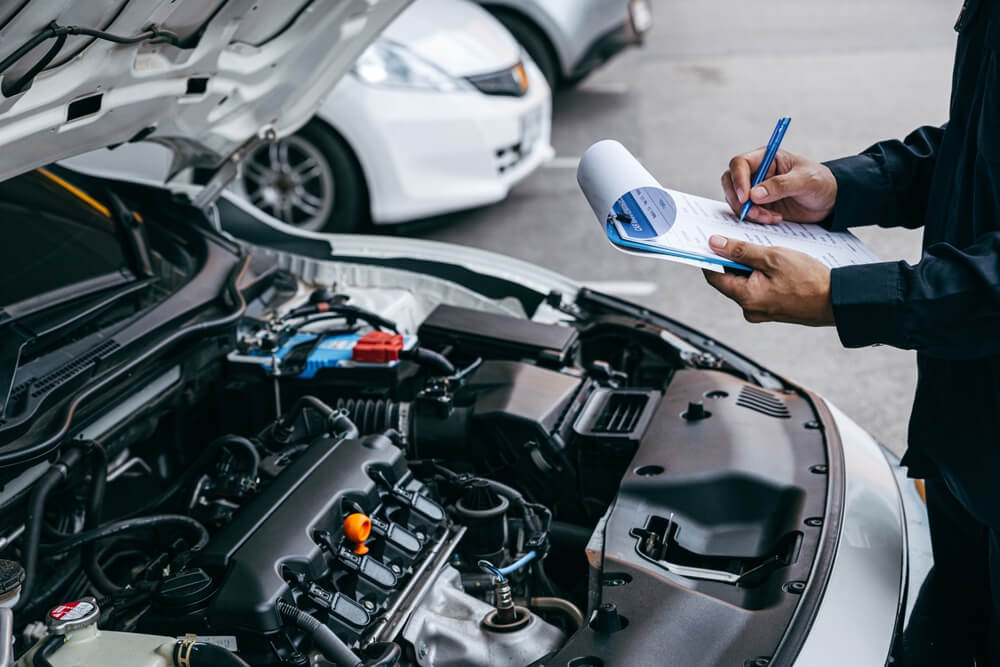
Half a day with the bonnet up and a clipboard saves a defect notice almost every time. Below is the checklist our team runs across every car we put through an inspection. Work through it the day or evening before the appointment so any small issues can be sorted on the spot rather than discovered at the assessor’s bay.
Tyres And Tread Depth
Tyres are one of the most common reasons vehicles fail an inspection. The minimum legal tread depth in WA is 1.5 mm across the tyre’s primary grooves. Bald tyres or tyres worn close to the marker are an automatic inspection failure. Check all four tyres plus the spare. Look for sidewall cracks, bulges, irregular wear patterns, and any visible cord. Tyres must also match in size and load rating across each axle.
Tyre pressure should match the manufacturer’s specifications, which is listed on the placard inside the driver’s door jamb. Underinflated tyres can fail on visual inspection alone, and overinflated tyres affect the brake test on the road test portion of the inspection.
Brakes, Brake Pads And Brake Fluid
Brakes are the second most common failure category. Listen for grinding, scraping or squealing when braking from speed. Look through the wheel spokes at the brake pads, where you should see at least 3 mm of friction material above the steel backing plate. If you can see the metal, the pads need replacement before the appointment.
Brake fluid should sit between the minimum and maximum lines on the reservoir, and should be a clear amber colour rather than dark brown. Brake fluid older than two years often fails a moisture test even when the level looks correct. The brake condition test on the road portion of the inspection measures stopping distance, pull to either side, and pedal travel. If any of these feel off in your normal driving, get them addressed first.
Lights, Brake Lights And Reverse Lights
Walk around the car with a friend or a phone propped up filming the rear. Check headlights on low beam, high beam, fog lights, indicators front and rear, hazard lights, brake lights, reverse lights, and the number plate light. All warning lights on the dashboard should clear within a few seconds of the engine starting, with no permanent illuminations of the engine, ABS, airbag or oil pressure lights. A persistent dashboard warning light is enough on its own to fail the inspection.
Headlight alignment is sometimes overlooked. Headlights properly adjusted to the manufacturer’s specification should illuminate the road without dazzling oncoming traffic. If your low beams point at the sky or hit the road just in front of the car, get them adjusted before the appointment.
Fluid Leaks And Engine Bay
Pop the bonnet. Visible leaks of engine oil, coolant, brake fluid, power steering fluid or transmission fluid are an automatic concern at inspection. Park the car on a clean surface overnight and check underneath in the morning for fresh drips. Wipe down the engine bay so the assessor can see clean components rather than a layer of crusted grime hiding any actual seepage.
Check the radiator coolant reservoir, the oil dipstick, the brake fluid reservoir, the power steering reservoir, and the windscreen washer fluid. Belts should be free of cracks (cracked belts are a fail) and the catalytic converter should be intact, properly secured, and free of visible rust holes or aftermarket modifications that have not been signed off through a modification permit.
Steering Wheel And Suspension
Sit in the driver’s seat. The steering wheel should have minimal excessive play, with no more than 30 to 40 mm of free movement before the front wheels start to turn. If the wheel moves significantly without the wheels responding, the steering linkages may be worn and the vehicle will likely fail.
Suspension should sit level on a flat surface, with no obvious lean. Push down on each corner of the car. The suspension should rebound once and settle, not bounce repeatedly. Check the CV boots, the shock absorbers, and the bushes for visible damage or fluid leaks.
Windscreen, Mirrors And Wipers
The windscreen must be free of cracks larger than a 20-cent coin in the driver’s primary line of sight. Smaller chips outside the driver’s view may pass at the assessor’s discretion. Mirrors must be intact and adjustable, and the rear-view mirror must be securely mounted. Wipers must clear the screen in a single pass without streaks or missed sections. Replace any wiper that has hardened or split rubber.
Seat belts must extend, retract and lock under sudden pull. The horn must work. The handbrake must hold the car on a slight incline without rolling. Each of these is a small item, but each one can trigger a defect notice if it fails.
Documents To Bring On The Day
Documentation matters as much as the mechanical preparation. Turn up without the right paperwork and the inspection station may refuse to start the appointment, which sends you home with another booking fee. The exact list varies by inspection type but the core documents are:
· Your driver licence or photo ID for identification
· The vehicle’s previous licence documents (interstate rego papers, original purchase invoice, or current rego if applicable)
· The defect notice itself if you are clearing a yellow sticker
· The modification permit paperwork if the inspection covers approved modifications
· The vehicle identification number recorded on a clean, legible plate
· The PPSR search confirming the car’s encumbrance status if you are bringing in a recently purchased vehicle
For interstate transfers, the licensing records from the previous state are required to demonstrate continuous registration history. For repairable write off inspections, the original assessor’s report and any structural repair documentation are essential.
Our companion guides on decoding a PPSR report for WA sellers and how to handle a finance payout when selling a car in WA cover the paperwork side of the broader transaction.
The Inspection Process Step By Step
When you arrive, the assessor will confirm your booking, photograph the vehicle, and check documentation against the licensing records and the vehicle identification number stamped on the chassis. The inspection runs through a structured checklist covering identity verification, structural integrity, mechanical safety, lights, brakes, tyres, suspension, steering, glass, and emissions where applicable.
A short road test follows the static checks, where the assessor drives the vehicle to test brake condition, steering feel under load, gearbox operation, and any drivability concerns. The test drive typically takes 10 to 15 minutes and includes low-speed manoeuvres and a brief highway run.
If everything passes, the assessor issues a clear report with an inspection reference number that flows through to the Department of Transport licensing system. The car is then ready for registration transfer or defect notice clearance.
If anything fails, you receive a detailed report listing the faults identified and the items to address before the vehicle can be re inspected and cleared.
Common Reasons Vehicles Fail Inspections
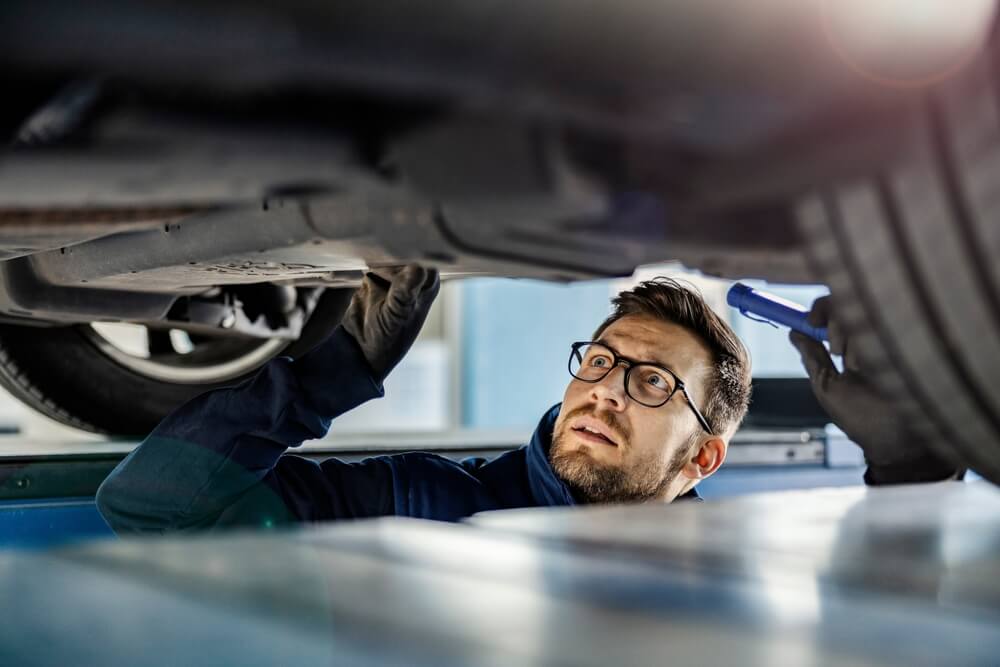
After years of preparing cars for inspections across our service, four common failure categories come up far more often than the rest.
The first is bald tyres. Tyres that look fine can be well under the legal 1.5 mm tread depth in the centre groove. A Wilson seller of a 2017 Mazda CX-5 we worked with last quarter had to re-do the inspection after one rear tyre measured 1.3 mm, costing her an extra week and another inspection fee. A 15-minute tread depth check the night before saves the trip.
The second is dashboard warning lights. A persistent check engine light, ABS warning, airbag warning or even a tyre pressure monitor warning will fail the inspection on its own, regardless of the underlying cause. Owners commonly arrive convinced “it’s only a sensor” and walk out with a defect notice. Get the codes read at any auto parts store or workshop and clear the warning before the appointment.
The third is fluid leaks. Coolant leaks, oil leaks from valve covers, brake fluid drips, and power steering seepage all draw attention. Many of these are minor and inexpensive to fix, but visible leaks are an automatic concern at inspection and often trigger a re inspection.
The fourth is brake-related issues. Worn brake pads, low brake fluid, soft pedal feel, and uneven braking on the road test combine to make brakes one of the highest-failure categories. An Ellenbrook tradie we helped last month brought a 2018 Isuzu D-Max in for a rego transfer inspection. The front pads had 2 mm left, the brake fluid was three years old, and the rear handbrake travel was excessive. Three days of workshop time and $580 later, the vehicle passed cleanly.
What Happens If Your Vehicle Fails
If your vehicle fails, the inspection station issues an initial inspection receipt detailing the faults identified, the items that need attention, and the window within which the re-inspection must be completed. The defect notice or fail report becomes part of your vehicle’s licensing record at the Department of Transport.
You then have options. The cheapest is to address every fault yourself if you have workshop access, parts, and skills. The more common path is to take the report to a qualified mechanic who can clear the items in one visit. Some inspection stations also partner with nearby workshops and can quote a complete fix in one stop.
While the vehicle is in the defect notice state, it generally cannot be driven on public roads. To move the car to the workshop or back to the inspection station, you may need a temporary movement permit from the Department of Transport, which covers a single trip on a defined route and is valid for a few days. Driving without one exposes the driver to defect-related fines and risks for other road users.
The re inspection booking typically incurs a smaller fee than the initial inspection, provided you return within the permitted window with the items addressed. If you wait too long, a full re-booking and full inspection fee apply.
Pre-Purchase Inspections For Buyers And Sellers
A pre purchase inspection is a related service any buyer of a used car can commission before committing to the purchase. Pre purchase inspections focus on safety, mechanical condition, hidden issues, and any disclosed or undisclosed damage history. They are not legally required, but they are one of the smartest moves a buyer can make on a private sale.
The same checklist that prepares a car for a compulsory inspection also positions a car well for a pre-purchase inspection. Sellers who anticipate the inspection and address the obvious items first typically see stronger offers and faster sales. Our guides on how to maximise your car’s resale value and the most profitable way to sell your car cover the presentation and channel decisions that lift the final result.
Frequently Asked Questions
How Long Does A WA Vehicle Inspection Take?
A standard WA vehicle inspection through an authorised inspection station typically takes 30 to 60 minutes once the assessor begins. Add a 10 to 15 minute road test for the dynamic portion of the inspection. Plan for an hour and a half at the inspection station including check-in, paperwork, and discussion of any findings.
What Is The Difference Between A WA Vehicle Inspection And A Pre Purchase Inspection?
A WA vehicle inspection through an authorised inspection station is a formal compliance check required for rego transfer, defect notice clearance, or modification permit sign-off. A pre purchase car inspection is a voluntary mechanical and safety check commissioned by a buyer before a private purchase. Different purposes, similar ground.
What Do I Do If My Car Fails An Inspection?
Take the detailed report to a qualified mechanic, clear the faults identified, and re-book for a re inspection within the permitted window. If the car cannot legally be driven during this period, request a temporary movement permit from the Department of Transport for a single defined trip.
Can I Drive My Car With A Yellow Sticker Or Defect Notice?
Generally no. A defect notice or yellow sticker prohibits the vehicle from being driven on public roads until the faults have been addressed and the vehicle has been re inspected and cleared. The only legal exception is a temporary movement permit issued by the Department of Transport, which covers a single trip on a defined route.
How Much Does A WA Vehicle Inspection Cost?
Costs vary by inspection station and type of inspection. A standard light vehicle inspection through an authorised private business typically runs from around $130 to $250. Re-inspection fees are typically lower, around $60 to $100, provided you return within the permitted window. For exact pricing, the Department of Transport website lists the official inspection fee schedule, and most authorised inspection stations publish their fees online.
Are Inspections Required Every Year?
For most private vehicles in WA, an annual inspection is not required. Regular inspections become mandatory when a defect notice is issued, when a vehicle is being transferred from interstate, or when modifications or repairable write off rectifications are involved. Heavy vehicles, taxis and hire cars have their own annual inspection requirements. Visit the Department of Transport website for the full list.
Conclusion And Next Steps
Preparing your car for an inspection is genuinely simple work when you approach it methodically. Run through the pre-inspection checklist the night before, fix any small issues you find, gather the right documents, and arrive at the inspection station on time with everything ready. The half-day of preparation almost always saves a re inspection booking, a re-fitting visit to the workshop, and a temporary movement permit application. The Department of Transport website is the source of truth for current fees, requirements, and authorised inspection station listings, so visit it when in doubt.
If you are preparing the car for an inspection because you are about to sell it, our team can help with the next step. As a Licensed WA Motor Vehicle Dealer and MTA WA member, we buy cars across Perth every day with on-site valuations, same-day payment, and the WA Department of Transport paperwork handled cleanly. We are happy to look at any car that has just passed an inspection, or to discuss options if you would rather move on from a vehicle that has picked up a defect notice. Talk to our sell my car in Perth team today at Sell My Car Pro or call 1300 313 777.
About the Author

Table of Contents
Social Media
Get a Custom Quote


We Buy Cars Of All Makes And Models In Perth
Japanese, European, Korean, and American. Light commercials, SUVs, utes, weekend classics, and near new stock. Late model or twenty years on the clock, registered or not, a runner or a non-starter. If the car has a VIN, we can quote on it.