Table of Contents
Social Media
Get a Custom Quote
When it comes to selling a car in Western Australia, one folder in the glovebox can be worth more than a fresh set of new tyres: the service history. The differences in valuing a car with or without logbook history in WA are real, and they show up in the final price. A complete service history tells a buyer the car has been cared for, which puts them at ease and lifts the value of your car. A missing log book does the opposite, and it hands buyers a reason to negotiate harder. As a Perth car buying service that values vehicles every day, we see the gap first hand, and in this guide we explain exactly how service records move your car’s worth, and what you can do about it.
What Logbook History Actually Is
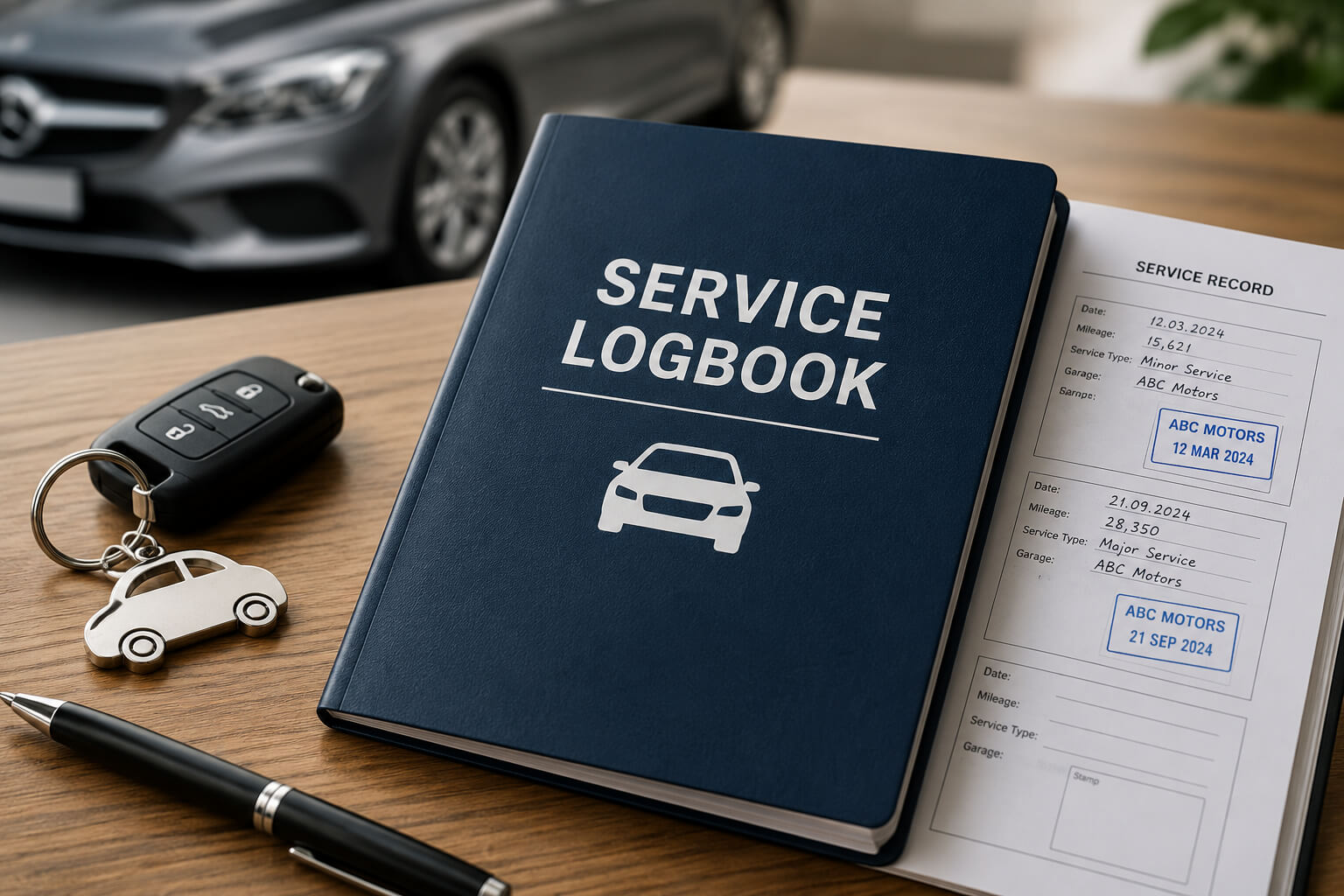
Your logbook is the stamped record of every scheduled service your car has had. A stamped, up to date logbook confirms the vehicle has been maintained to manufacturer standards, ideally by an authorised dealership or a trusted mechanic. A full service history, sometimes called a complete service history or documented service history, is the strongest version of this: no gaps, every interval accounted for. It sits alongside your registration papers and any receipts for parts and major repairs. Buyers expect this documentation because it reduces the warranty risk they take on. Without it, the same car carries an air of uncertainty, and that uncertainty always costs the seller.
Why Logbook History Moves The Price
Price is driven by risk and demand. When a buyer sees a documented service history, their perceived risk drops and their confidence rises, so they pay closer to full market value. When the history is missing, professional valuers and private buyers assume the worst: skipped services, an impending timing belt or other major repairs, and hidden problems with the mechanical condition. This is the uncertainty discount. Buyers factor in the extra cost of an immediate major service plus a buffer for risk, then negotiate harder. Picture the buyer standing in your driveway, phone in hand, weighing your car against three others on their shortlist. The one with a full history feels safe. Yours, with a gap, plants a seed of doubt, and doubt always costs the seller. A well documented service history is what settles it, building the buyer confidence and marketability that let a car sell near its full price, while gaps in the maintenance record quietly reduce a vehicle’s market value. It is not emotional, it is simply how the used car market prices unknown risk, and it is why buyers with more confidence pay more.
The Financial Difference With Versus Without
So what is it worth in dollars? In Western Australia, a complete service history can add roughly 5 to 10 percent to a vehicle’s market value. On a mid-range used car that is often hundreds to thousands of dollars. A car with a full, stamped logbook generally achieves the highest valuation in tools like Redbook and dealer appraisals, and attracts a larger pool of serious buyers. The absence of a logbook typically leads to a lower valuation and harder negotiations. Vehicles with a complete logbook also sell faster, so a documented car does not just fetch more, it saves time on the open market. A clean logbook combined with a clean PPSR check increases a vehicle’s market appeal even further. Buyers without that proof tend to build in a buffer, deducting the cost of an immediate major service plus a margin for risk, which quietly shrinks your final figure. Right across the Australian market, the pattern is the same: paperwork protects price.
Market Value Versus Trade In Value
It helps to know the key differences between the two numbers you will hear. Market value is what a car sells for privately on the open market, buyer to seller. Trade in value is what a dealership offers when you trade in against your next car, and it is typically lower, because the trade in value includes the dealer’s refurbishment and wholesale costs. Trade in offers are made quickly at the dealership, which is convenient but rarely the highest figure. Insurers use market value to determine a payout after a total loss, and current market data affects your car’s insurance valuation too. Both numbers lean heavily on condition and service history, so the same logbook that lifts your private price also improves your trade in value.
The Several Key Factors That Set Your Car’s Value
Logbook history is powerful, but it is one of several key factors valuers weigh. The others include the car’s condition inside and out, from faded paint to new tyres; the odometer reading, since high mileage and more wear pull the value down while low kilometres and less wear lift it; the age, as older cars depreciate further; and current market demand, which shifts with the economy, fuel prices and how popular your model is. Depreciation can strip 15 to 20 percent of a car’s value in the first year, and values can change significantly within 12 months, so timing matters. We weigh all of these several factors together, plus the mechanical condition and overall condition, to reach an accurate valuation rather than a guess.
How Online Valuations Turn Factors Into A Number
Online valuations and professional vehicle valuations turn these key factors into an estimated price range in seconds. Our tools give you an estimated value range and an instant estimate, then we compare your car against similar vehicles and similar models recently sold, factoring in current market conditions. That way the figure reflects the real car market, not a rough guess. As values, car prices and used car prices move with demand, so does that range, which is why an up to date valuation always beats a number from six months ago. Vehicle values in the Australian market can shift quickly, so a fresh estimate matters.

Logbook History And Long Term Resale Value
Logbook history does not only affect today’s sale, it protects your resale value across the entire life of the car. A vehicle with a complete, up to date logbook holds its value better through each owner, because every future buyer inherits the same proof of care. Older cars feel this most. Once a vehicle is past its steep early depreciation, a documented service history is often the single biggest thing separating a strong resale value from a bargain-bin price. It is also why a well maintained car with service records sells for higher prices year after year, and why buyers pay a premium for certainty. Think of the logbook as an asset in its own right. Every stamp you add today defends the value of your car tomorrow, and it is exactly the buyer confidence buyers want to see when they weigh up two similar models side by side.
The WA Market And Why The Logbook Matters More Here
Western Australia has a quirk that makes your logbook even more important. Unlike Victoria or Queensland, WA does not legally require private sellers to obtain a roadworthy certificate before transferring ownership. A standard vehicle inspection is only required in specific cases, such as a previously unlicensed or modified vehicle. That means a stamped logbook becomes your primary proof of the car’s roadworthiness and vehicle condition in the eyes of a buyer. Across the Australian market, and especially in the Perth used car market, that proof carries weight. Perth dealerships penalise incomplete logbooks hard, because without one they take on higher wholesale risk, which leads to a much lower trade in offer.
How To Protect Your Car’s Value If Records Are Missing
Lost your logbook or have an incomplete history? Do not panic, and do not just accept a lowball. You can recover much of the gap by rebuilding the picture:
- Gather receipts: compile every physical or emailed receipt for parts, servicing and oil changes to rebuild a paper trail.
- Contact your mechanic: workshops often keep digital or physical service records, so request a printout or summary of all servicing done.
- Get an inspection: before selling privately, a pre-purchase inspection from an independent party such as RAC WA shows a clean bill of health and helps erase the lack of history penalty.
- Confirm the details online: a clean PPSR check proves the car has never been written off or carries debt, which supports your value.
These steps rebuild trust and improve buyer confidence in the car, save time chasing lowball offers, and help you still achieve a strong, fair price and a quick, stress free sale.
Real Perth Examples
Here is how the logbook gap plays out for real sellers we have valued, so you can see the difference in dollars.
Bayswater: Two 2018 Mazda3 hatches came to us the same week. One had a full service history, the other a patchy one with two missing stamps. The documented car valued around 1,500 dollars higher and sold within days. The other sat while buyers negotiated harder over the unknown maintenance.
Gosnells: A seller had lost the log book on a well kept Hyundai i30 but had maintained it faithfully. We helped them pull a full printout from their mechanic plus receipts for new tyres and a timing belt. That paperwork recovered most of the gap and turned a slow sale into a same day result. The seller had walked in braced to lose a grand, and left genuinely relieved, and a little chuffed.
Frequently Asked Questions
Here are quick answers to the questions we hear most about logbooks and car values.
How Much Does A Full Logbook Add To My Car’s Value In WA?
In Western Australia a complete service history can add around 5 to 10 percent to your market value, which on most used cars means hundreds to thousands of dollars, plus a faster sale.
Can I Still Get A Good Price Without A Logbook?
Yes. Gather receipts, get a printout from your mechanic, arrange an inspection and run a clean PPSR check. These rebuild trust and recover much of the lost value of your car.
Does Service History Affect My Insurance Valuation?
It can. A vehicle’s condition and service history affect its market value, and insurers use market value and current market data to set insurance premiums and total loss payouts.
What Is The Difference Between Market Value And Trade In Value?
Market value is the private open market price a car sells for. Trade in value is the dealership offer, which is lower because it includes refurbishment and wholesale costs.
Do Missing Keys Or High Mileage Hurt My Value?
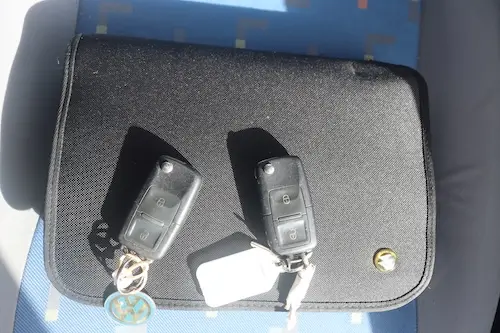
Yes. Missing keys can reduce a car’s trade in price, and high mileage with more wear lowers the valuation, while a strong service history and good overall condition push it back up.
Get An Accurate Valuation Today
The differences in valuing a car with or without logbook history in WA come down to trust. A documented service history proves care, lifts buyer confidence and protects your car’s resale, while a missing logbook invites doubt and a lower offer. The good news is that even without a perfect history, the right service records and a clean PPSR can recover most of the gap. If you want to know exactly what your car is worth right now, we make it simple for sellers. Get a free online valuation from our team, with a fair, accurate figure based on real market data and current market demand, then choose a fast, smooth sale with same day payment straight to your account. Do not let a missing logbook cost you more than it should.
Call Us Now On 1300 313 777 For A Free, Accurate Valuation And Same Day Payment.
About the Author

Table of Contents
Social Media
Get a Custom Quote



We Buy Cars Of All Makes And Models In Perth
Japanese, European, Korean, and American. Light commercials, SUVs, utes, weekend classics, and near new stock. Late model or twenty years on the clock, registered or not, a runner or a non-starter. If the car has a VIN, we can quote on it.