On this page
On this page
Categories
Social Media
Selling a car in Perth?
We handle all of it.
Should you fix your car or sell it? Fix it when the repair costs less than the value it adds back, the rest of the car is sound, and you would happily keep driving it. Sell it when the repair costs more than the gap between what the car is worth fixed and what it is worth as is, or when the big quote is the second or third in a year. Comparing the repair bill to the car’s total value, which is what most people do, gives the wrong answer more often than you would think.
By Abdul Jorany, Dealer Principal at Sell My Car Pro and owner of All Aspects Motors, Malaga WA.
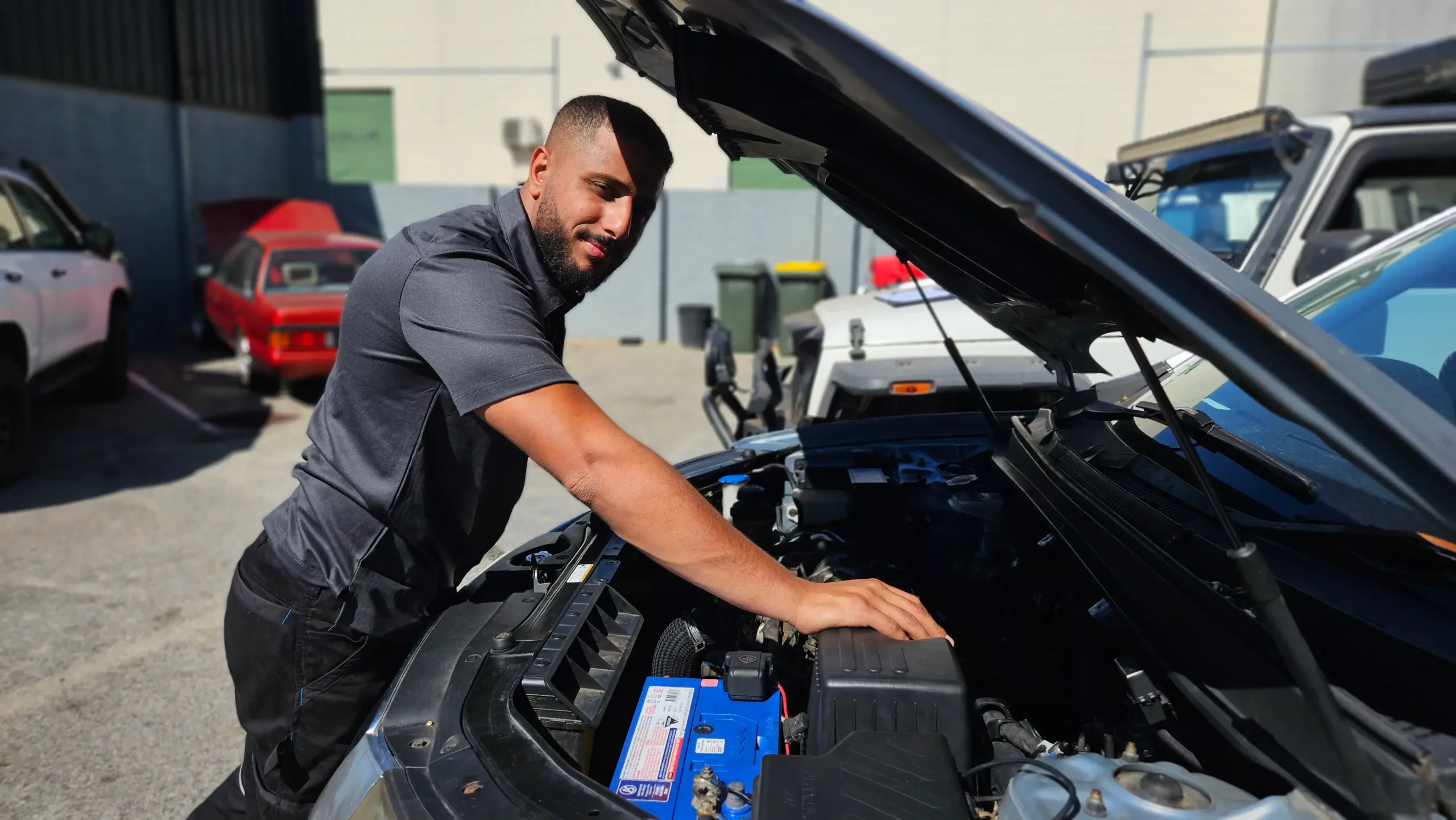
I am in an unusual position to help with this one. I am a qualified mechanic (Cert III in Automotive, apprenticed at Paceway Mitsubishi in Osborne Park), I own the All Aspects Motors workshop in Malaga, and I am the Dealer Principal of Sell My Car Pro, a licensed WA motor vehicle dealer. So if you fix your car, my workshop could do the job, and if you sell it, my dealership could buy it. I have no reason to push you either way, and this guide is how I would think it through if it were my car.
Key takeaways
- The right comparison is not “repair cost vs car value”. It is “repair cost vs the difference between the car’s value fixed and its value as is”.
- Get a written quote from a licensed repairer, and a second one for anything big. WA Consumer Protection recommends more than one quote before you approve repairs.
- Separate safety repairs (brakes, tyres, steering, airbags) from everything else. Safety work is not optional if you keep driving the car.
- One big repair on an otherwise healthy car is usually worth doing. A pattern of big repairs is the car telling you something.
- Fixing a car only to sell it rarely pays, unless the fix is cheap and the fault is obvious to buyers.
- Private buyers discount a known fault by the worst case. A dealer with its own workshop discounts it by the actual repair cost, which is usually less.
- In WA a private seller does not need a roadworthy, but WA Consumer Protection warns you may be held liable if you know of a serious defect and do not disclose it.
Why does a mechanic who buys cars have a useful view on fix or sell?
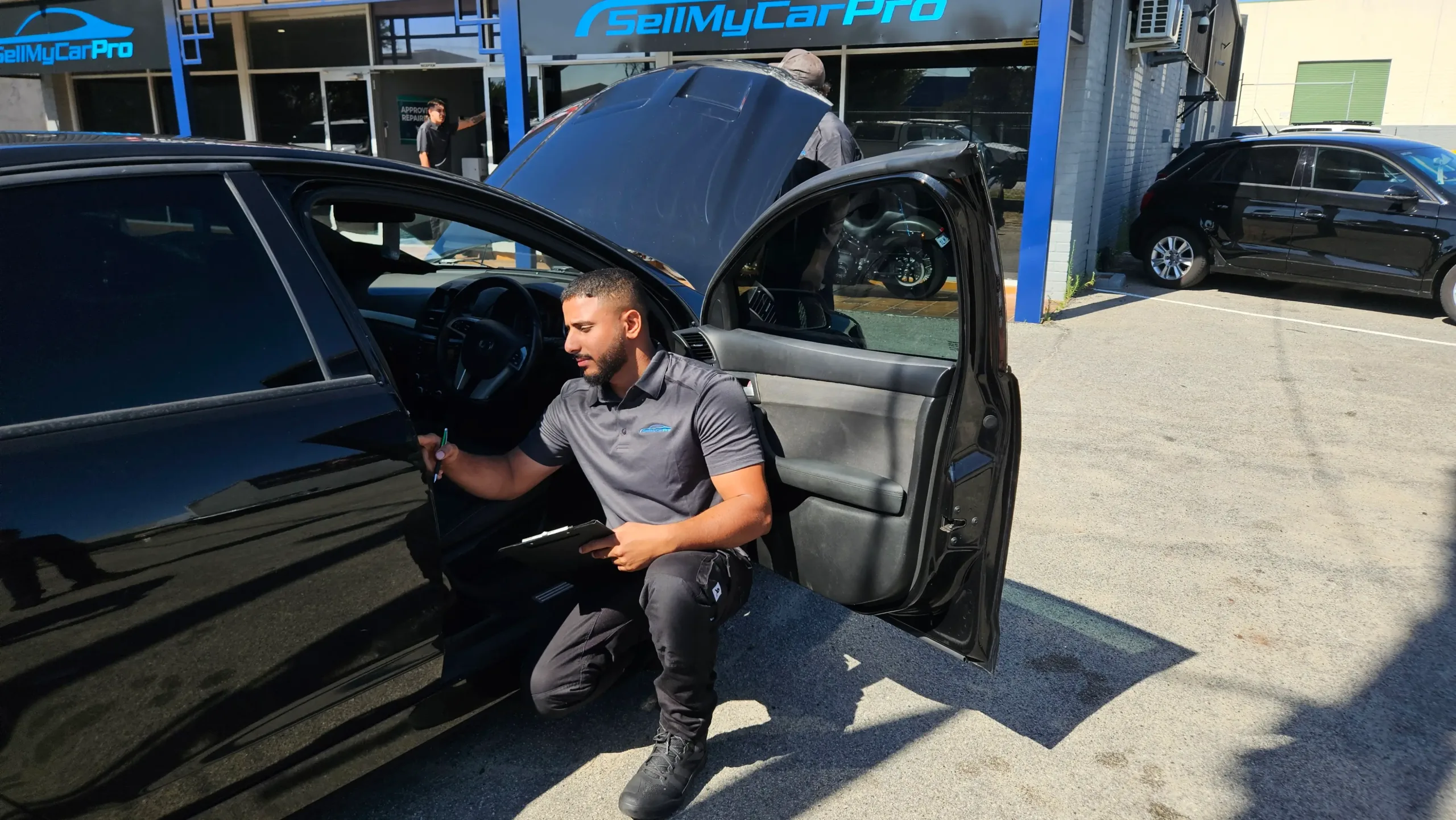
A mechanic who also buys cars sees both sides of the same decision: what a repair really involves, and what the car is worth before and after it. Most people only get one of those opinions. A workshop tells you what the repair costs. A dealer tells you what the car is worth. Neither one is set up to tell you whether the repair is worth doing.
In our business, the workshop and the dealership sit side by side in Malaga. When a car comes in to be sold, I look at it as a mechanic first. When a car comes in for a big repair, the first question I would want answered is what the car is worth. Putting those two numbers next to each other is the whole method in this guide.
Step 1: Is the repair quote actually right?
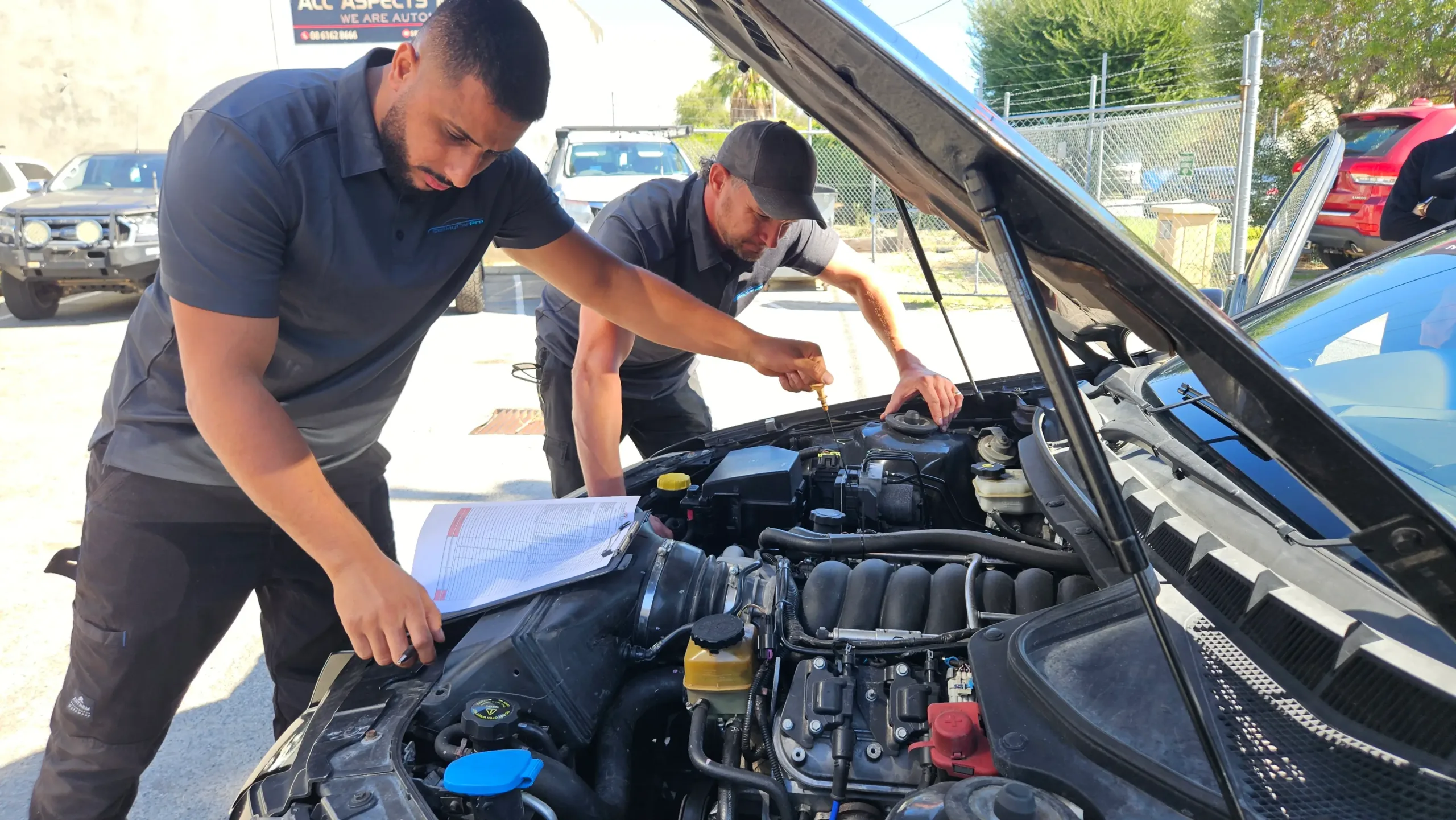
Before you decide anything, make sure the quote is a proper diagnosis, in writing, from a licensed repairer, and get a second quote for any big job. A large number of fix or sell decisions are made on a quote that turns out to be incomplete, padded, or a guess.
Here is what I would check:
- Is the repairer licensed? In WA, licensed repair businesses can display the licensed repairer tick, and you can check a licence on the Consumer Protection licence search. Licensed repairers are bound by the consumer guarantees, including that the work is done with due care and skill.
- Is it a diagnosis or a guess? “It could be the gearbox” is not a quote. Ask what testing was done, what the fault codes were, and what was ruled out.
- Is it in writing and itemised? WA Consumer Protection says quotes should outline the work to be done and the cost. Parts, labour hours and any machining or sublet work should be listed separately.
- What could make it grow? Some jobs, like a head gasket, can reveal more damage once the engine is opened. Ask what the worst case looks like and whether the quote covers it.
- What is urgent and what can wait? A good mechanic will split the list into “do it now”, “do it soon” and “keep an eye on it”. If the quote does not, ask.
- Is anything covered already? Check for an open recall on your VIN at productsafety.gov.au, any remaining new car or statutory warranty, and manufacturer extended cover (for example, Toyota offers extended hybrid battery cover of up to 10 years for eligible cars that have an annual Hybrid Health Check).
- Get a second quote. WA Consumer Protection recommends getting more than one quote from reputable mechanics before you approve repairs. On a $4,000 job, an hour spent getting a second opinion is well spent.
One trap to avoid: do not diagnose it yourself and ask the workshop to replace a specific part. WA Consumer Protection points out that if you ask for a specific repair and it does not fix the problem, the repairer is not liable. Describe the symptoms and let them find the fault.
Step 2: The three numbers that decide fix or sell
Every fix or sell decision comes down to three numbers: what the car is worth fixed, what it is worth as is, and what the repair costs. If the repair costs less than the gap between the first two, fixing it is the better money decision. Everything else in this guide is about getting those numbers right and then deciding whether you still want the car.
- Value fixed. What the car would sell for in good running order. Use a real valuation, not a guess from what the neighbour got.
- Value as is. What someone will pay for it with the fault. This is the number most people never check, and it is often lower than they expect, because buyers price in the worst case.
- Repair cost. The confirmed, written quote from Step 1.
Then the sum is simple: if (value fixed minus value as is) is bigger than the repair cost, fixing adds money. If it is smaller, selling as is leaves you better off.
You may have heard the rule of thumb “do not spend more than 50% of the car’s value on a repair”. It is not a bad warning sign, but it can mislead you both ways. A $3,000 repair on a $5,000 car can still be worth doing if the car is worth almost nothing with the fault. A $3,000 repair on a $20,000 car can be a waste if a buyer would only knock $2,000 off for it.
Here are three examples. The numbers are illustrative to show the method, not valuations of any real car.
Example A: fix it. A 2018 medium SUV with 120,000 km, worth about $22,000 in good running order. It needs a $2,800 repair. A private buyer facing an unknown fault might knock $5,000 or more off, so as is it is worth about $17,000. Spending $2,800 adds about $5,000 of value. Fix it.
Example B: sell it. A 2011 large sedan with 230,000 km, worth about $5,500 running well. The quote for a reconditioned automatic transmission fitted is $4,500. As is, it might bring $2,000 to $2,500. Spending $4,500 adds about $3,250. Sell it, and remember that at 230,000 km the transmission is unlikely to be the last big bill.
Example C: the maths is close, so look at what replacing it costs. A 2014 hatchback you own outright, worth $7,000, needs an $1,800 head gasket job. Fixed, it is a sound, paid-off car. The alternative is buying something newer. RAC WA’s 2025 running costs survey puts the cheapest new small car at about $11,664 a year once depreciation and finance are included, or about $224 a week. That $1,800 repair is about eight weeks of owning a new small car. If the rest of the hatchback is healthy, fixing and keeping it is often the smart move.
What do the big repairs usually cost, and what do they tell you about the car?
Timing belts, head gaskets, engines, automatic transmissions and hybrid batteries are the repairs that most often trigger a fix or sell decision, and each one says something different about the car’s future. The cost ranges below are national guides and vary a lot by make, model and workshop, so always get your own written quote.
| Repair | Typical Australian cost | What it tells you as a mechanic |
|---|---|---|
| Timing belt replacement | $520 to $1,400, median $960 (Airtasker, January 2025) | Scheduled maintenance, not a failure. On many engines a snapped belt causes serious engine damage, so if it is due, do it or price the car as needing it. Many newer cars use a timing chain instead. |
| Head gasket replacement | $3,000 to $6,000 for most four-cylinder cars. Expect to pay more for V6, V8 or boxer engines, where there are two cylinder heads to remove and the labour hours climb. | Usually follows overheating. The risk is what else the heat did. Ask whether the head will be checked for warping and whether that is in the quote. |
| Engine replacement | $6,316 to $14,886 fitted, with a median of $8,599. A good second-hand engine sits at the lower end, while a reconditioned or new engine sits at the upper end or beyond, depending on the make and how much labour the swap involves. | Often the point where an older car stops making sense. Worth it on a car that is otherwise excellent and worth well above the repair. |
| Automatic transmission (rebuild or reconditioned unit) | Approximately $3,000 to $8,000 fitted for common passenger cars. CVTs, 4WDs and European models usually cost more. Prices vary widely by model, so we’d recommend getting a written quote that spells out whether it’s a rebuild or a replacement unit. | Check the fluid service history. On high kilometre cars, a transmission often arrives alongside other driveline wear. |
| Hybrid battery (Toyota) | In 2021 Toyota said most Prius and Camry replacement batteries cost “less than $3000 plus GST” (carsales, February 2021). Prices have moved since, and remanufactured packs are a cheaper option, so get a current quote. | Check the warranty first. Toyota’s extended hybrid battery cover can run up to 10 years if the car has had its annual Hybrid Health Check. |
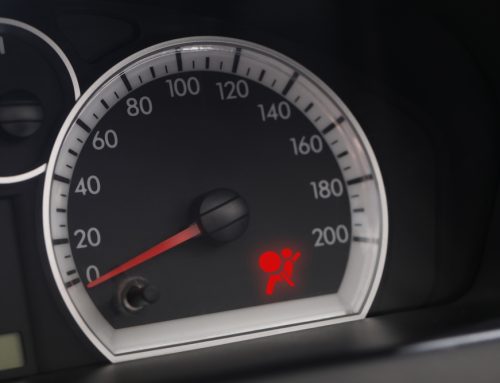
If you have an airbag or other safety warning light on, we have a separate guide on selling a car with the airbag light on that covers the costs and the law state by state.
When is fixing your car the right call?
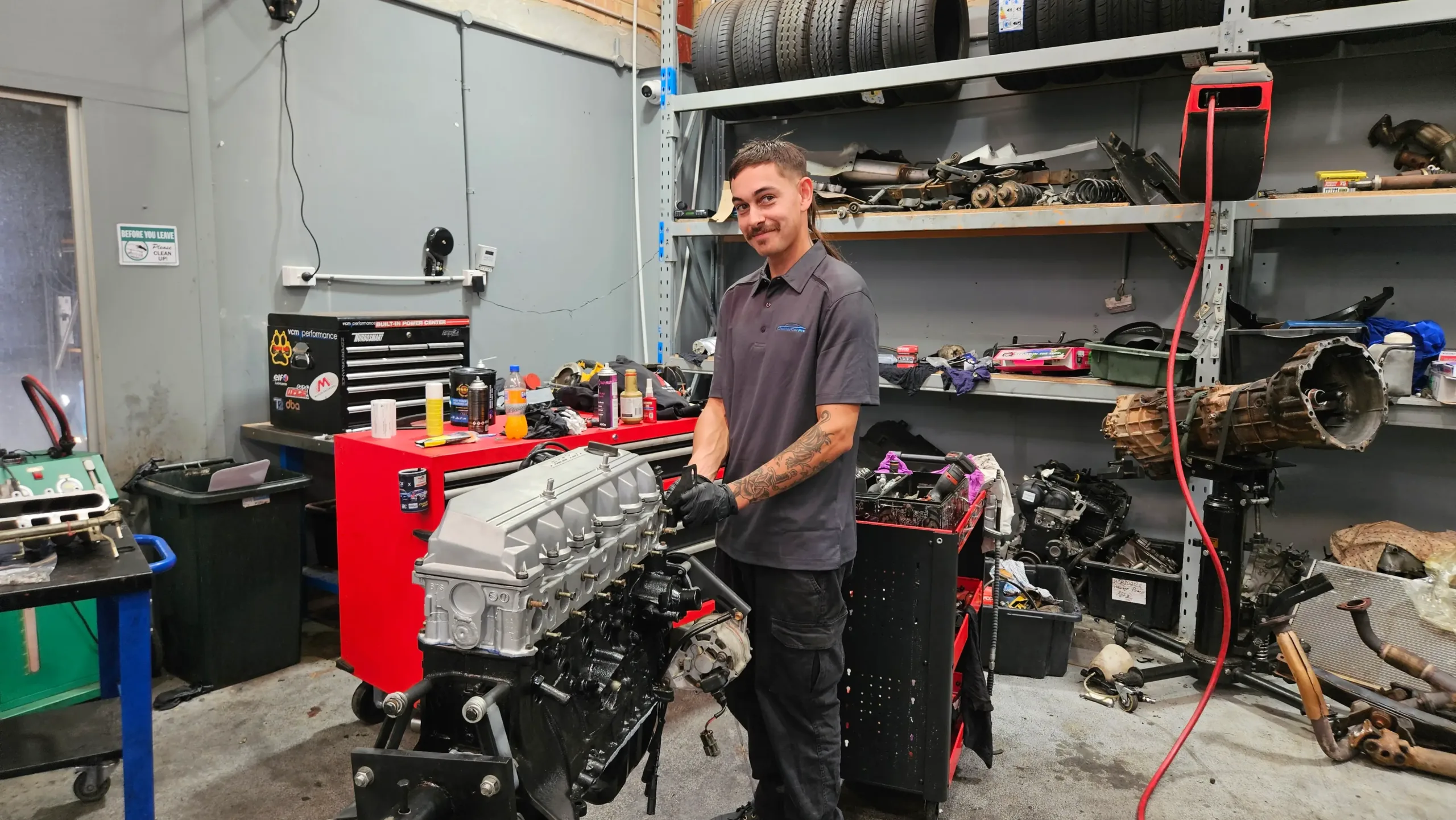
Fixing is usually the right call when the car is otherwise in good health, you plan to keep it for at least another year or two, and the repair costs less than the value it adds back. In my experience, a well-maintained car with one big problem is often a better deal than the unknown history of a replacement.
Fixing tends to make sense when:
- It is a one-off. The car has been reliable, this is the first major repair in years, and nothing else is flagged on the inspection.
- It is scheduled, not a failure. Timing belts, water pumps and major services are the cost of ownership. Every car you might replace it with will need them too.
- You own it outright. A paid-off car that needs $2,000 is very cheap transport compared to a new loan.
- It suits your life. If the car still does the job and you like it, that has real value that a spreadsheet will not show.
- It is a safety fault and you are keeping the car. Brakes, tyres, steering, suspension and airbags are not things to put off.
When does selling make more sense?
Selling usually makes more sense when the repair costs more than the value it adds, when big repairs are becoming a pattern, or when your needs have changed and you were going to replace the car soon anyway. The worst outcome is spending $4,000 on a car and then selling it six months later for barely more than you would have got before the repair.
Selling tends to make sense when:
- It is the second or third big quote in 12 months. One repair is bad luck. Three is a trend, and on older cars the next one is often already on its way.
- The repair is bigger than the gap. You have done the three-number check and the repair costs more than the value it adds.
- You were going to change cars anyway. If you were planning to upgrade in the next year, spending big on the old car mostly helps the next owner.
- Parts are getting hard or slow to get. On some older or less common models, waiting weeks for parts means weeks without a car.
- The car no longer fits. A growing family, a new commute or a move to a hybrid for fuel costs are all good reasons not to reinvest in the old car.
- It is sitting unused. A car parked in the driveway still costs you rego and insurance, and it loses value every month it sits.
What if your car is just getting older and nothing has broken yet?
If your car is getting older but nothing has broken, the smartest time to decide is before the next big scheduled cost, not after a failure. Cars are lasting longer than ever. CarExpert reported in March 2026 that the average Australian passenger vehicle is now 11.3 years old, citing the Australian Automotive Dealer Association, so an older car is not automatically a problem car. But the value of an older car drops faster when something goes wrong, so it pays to look ahead.
Things I would think about:
- Check what is coming up in the logbook. If a timing belt, major service or set of tyres is due in the next 10,000 km and you were thinking of changing cars anyway, sell before you pay for it, and price the car honestly as needing it.
- Watch the kilometre and age milestones. Buyers react to round numbers like 100,000 km and 200,000 km, and our guide on whether mileage affects your car’s value covers how much. In WA, the statutory warranty a dealer must give on a used car also changes with age and kilometres: up to 10 years old and 150,000 km it is 3 months or 5,000 km, from there up to 12 years and 180,000 km it is 1 month or 1,500 km, and over 12 years and 180,000 km there is none. Those bands change what a dealer has to cover when they resell your car, so it is worth knowing which side of them your car sits on.
- Keep the service history up to date. A full logbook is one of the cheapest ways to protect value on an older car. See our guide on valuing a car with or without logbook history.
- Know your number. Get a free valuation every year or so, even if you are not selling. It tells you the size of the decision when a big quote does arrive.
- Do not forget the Perth sun. UV damage to paint, dashboards and headlights is a slow value leak on Perth cars. Our article on sun damage and your car’s value explains what buyers mark down.
Should you fix your car before you sell it?
Fix a car before selling only if the repair is cheap, the fault is obvious to any buyer, or the repair is safety-related. Otherwise, sell it as is with the fault disclosed, because you will rarely get your repair money back. Buyers pay for a car that works, but they rarely pay extra for a repair they did not see being done.
Worth fixing before a sale:
- Small, visible faults that make buyers nervous out of proportion to their cost, like a warning light caused by a cheap sensor, a blown globe or a worn wiper.
- Safety items you would have to fix anyway to keep driving it to the sale, like bald tyres or worn brakes.
- Anything where the repair cost is clearly less than the discount a buyer will ask for.
Usually not worth fixing before a sale:
- Major mechanical repairs like engines and transmissions on older or high kilometre cars.
- Cosmetic work that costs more than the value it adds, like a full respray.
- Anything you would be paying retail for that a dealer with a workshop can do at trade cost.
And one thing never to do: do not clear fault codes or disconnect the battery to hide a warning light before a sale. The fault comes back, a scan tool can show codes that were recently cleared, and in WA you may be held liable if you know about a serious defect and do not disclose it.
What are your options if you decide to sell a car that needs work?
You can sell a car that needs mechanical work privately as is, trade it in, sell it to a car buying service, or sell it to a wrecker for parts. Which one pays best depends mostly on whether the car is worth repairing at all. Here is how they compare for a car with a known fault.
| Option | Best for | What to expect |
|---|---|---|
| Private sale, as is | Cars with a minor, clearly diagnosed fault and a patient seller | A smaller pool of buyers, hard bargaining, and buyers who discount for the worst case. You must disclose the fault. In WA the Australian Consumer Law does not apply to private sales, but you may still be held liable for hiding a serious defect. |
| Dealer trade-in | Convenience when you are buying a new car anyway | Quick and simple, but faulty trade-ins are usually wholesaled, so the offer is often low. Know your car’s value before you negotiate. |
| Car buying service with a workshop | Mechanical faults on cars that are still worth repairing | The fault is priced at the real repair cost at trade rates, not the worst case. No listing, no tyre kickers, and paid the same day with a service like ours. |
| Wrecker or “cash for cars” removal | Cars that are not economical to repair at all | Priced on parts and scrap value. Fine for a true end-of-life car, but you will leave money on the table if the car is still repairable (see how we buy older cars). |
If you are trading in, our dealer trade-in calculator gives you a starting point before you talk to the salesperson.
What are the safety and legal rules in WA if your car has a fault?
In WA you can sell a car with a mechanical fault, privately or to a dealer, as long as you are honest about it, but you cannot keep driving a car that police or transport officers have defected once the notice expires. The rules that matter most:
- Private sales. WA Consumer Protection says private sellers are not legally required to do a roadworthiness check, and that “You may be held liable if you are aware of a serious defect and don’t make it known to the buyer.” Put the fault in writing on the sale paperwork.
- Defect notices. A defect notice (the yellow sticker) can be issued by WA Police, Department of Transport officers or Main Roads officers when a car is unroadworthy. After the expiry date, the car cannot be driven on WA roads until the defect is fixed and it has been inspected, and if it has not been repaired it must be towed to a repairer or inspection station.
- Dealers. Dealers are held to a higher standard. WA Consumer Protection has said “Used vehicles being sold by dealers must at the very least be safe”, and its officers can put a green “Unfit for Sale” sticker on an unsafe car at a dealership until it is repaired and passes inspection. That is why a dealer buying your faulty car factors in the cost of fixing it properly.
A quick checklist before you decide
- Do I have a written, itemised quote from a licensed repairer?
- Have I had a second quote for anything over a few thousand dollars?
- Have I checked for recalls and any remaining warranty?
- Is this a safety repair I need to do to keep driving the car?
- What is the car worth fixed, and what is it worth as is?
- Is the repair cost bigger or smaller than the gap between those two numbers?
- Is this the first big repair, or part of a pattern?
- Would I happily keep this car for another two years if it were fixed?
If the answers to 6, 7 and 8 all point to keeping it, fix it. If they point the other way, get an as-is valuation before you spend a dollar on the repair.
How Sell My Car Pro helps you make the call
Sell My Car Pro is a licensed WA motor vehicle dealer (MD31434) that works alongside All Aspects Motors (MRB8151), my licensed repair workshop in Malaga, so we can value your car as is and understand exactly what the repair involves. That means you get an offer based on what the fault really costs to fix, not a worst-case guess.
Here is how it works:
- Fill in the online valuation form and tell us about the fault and the quote you have been given. You get an instant valuation based on live WA market data.
- We inspect the car at your place or ours, and price the repair at workshop cost.
- You get a written offer, so you can compare it with the cost of fixing the car yourself.
- If you sell, we pay by bank transfer the same day, handle the transfer paperwork and any finance payout, and get you home.
Most buyers can tell you what a car might sell for. As a mechanic and a dealer, I can tell you what it is worth, what is wrong with it, and what it would take to put it right. If you have a big quote in hand, get a valuation before you approve the work. It costs nothing and it might save you thousands.
Got a big repair quote?
Find out what your car is worth as is before you spend a dollar.
Frequently asked questions
Is it worth fixing an old car?
Often, yes, if the car is otherwise sound and the repair costs less than the value it adds. Age alone is not the problem. A pattern of big repairs, or a repair bigger than the gap between the car’s fixed and as-is value, is the signal to sell.
How much should I spend on repairs before I sell my car instead?
There is no fixed percentage. Compare the repair cost with the difference between what the car is worth fixed and what it is worth as is. If the repair costs more than that difference, selling as is usually leaves you better off.
Can I sell a car that needs mechanical repairs in WA?
Yes. WA private sellers do not need a roadworthy certificate, and licensed dealers buy cars with faults. Disclose the fault in writing, because WA Consumer Protection warns you may be held liable for not disclosing a serious defect you knew about.
Will a dealer buy a car with a blown engine or a bad transmission?
Many will, including Sell My Car Pro. A dealer with a workshop can price the repair at trade cost, which usually means a better offer than a private buyer or a dealer without one.
Should I fix my car before trading it in?
Usually not for major repairs. Dealers can repair at trade cost, so the amount a repair adds to a trade-in offer is often less than what you would pay for it. Cheap, visible fixes and safety items are the exception.
Is it cheaper to fix my car or buy a new one?
In most cases a single repair is cheaper than replacing the car. RAC WA’s 2025 survey puts the cheapest new small car at about $11,664 a year to own and run once depreciation and finance are included. The exception is when the repair is large relative to the car’s value or one of several.
What if I still owe money on the car?
You can still sell it. The buyer, or a dealer like us, pays out the finance and you receive the difference. Our guide on selling a car you still owe finance on explains how it works.
How do I know if my mechanic’s quote is fair?
Ask for an itemised written quote, check the repairer is licensed, and get a second quote for any big job. WA Consumer Protection recommends getting more than one quote from reputable mechanics before you approve repairs.
Abdul Jorany is the Dealer Principal and founder of Sell My Car Pro and owner of All Aspects Motors in Malaga, Western Australia. He is a qualified mechanic (Cert III in Automotive) who served his apprenticeship at Paceway Mitsubishi in Osborne Park and has around 18 years in the automotive trade. Sell My Car Pro is a licensed WA motor vehicle dealer (MD31434) and a member of MTAWA.
This article is general information, not financial or legal advice. Repair costs vary by make, model and workshop. Always get a written quote from a licensed repairer.






















Sell your car today.
Paid today.
Tell us about your car, get a real offer, and have the money in your account the same day. No haggling, no waiting, no fees.
Send us a message
Leave your details and a Perth buyer will get back to you.